the future of ponit of sale systems

The Future of Point-of-Sale Systems

Point-of-sale (POS) systems have evolved significantly from their origins as basic cash registers. As technology evolves, so does the way businesses manage transactions, customer interactions, and operational efficiency. The future of Point-Of-Sale systems is not just about processing payments but about creating smarter, more integrated solutions that can transform the way businesses operate. Let’s take a look at the future developments and possibilities for future of Point-Of-Sale systems.

The Rise of Cloud-Based Point-Of-Sale Systems

Cloud technology has already made a significant impact on POS systems, and its importance will only grow in the future. Cloud-based POS systems allow businesses to access their data from anywhere, enabling real-time monitoring and management. This is particularly beneficial for businesses with multiple locations, as it centralizes data and simplifies operations. Additionally, cloud POS systems are more cost-effective, as they reduce the need for expensive hardware and on-premises maintenance.

AI-Driven Insights and Automation in Point-Of-Sale System

Artificial intelligence (AI) is poised to transform POS systems. In the future, these systems will harness AI to analyze sales patterns, forecast trends, and deliver valuable insights to optimize business strategies. For instance, AI can help businesses optimize inventory levels, identify popular products, and even predict customer preferences. Moreover, automation powered by AI can streamline processes such as order management, billing, and reporting, saving time and reducing errors.

Connecting with the Internet of Things (IoT)

The Internet of Things (IoT) is becoming a key factor in defining the future of POS systems, driving innovation and enhancing functionality. IoT-enabled POS devices can connect seamlessly with other smart devices, such as inventory sensors, kitchen equipment, or delivery tracking systems. This integration allows for a more efficient and interconnected workflow, helping businesses improve their overall productivity and customer experience.

Enhanced Payment Options

As payment methods continue to evolve at a fast pace, POS systems must adapt to stay current and meet the needs of modern businesses and consumers. The future of POS will include support for a wide range of payment options, from contactless payments and mobile wallets to cryptocurrencies. This flexibility will ensure businesses can cater to diverse customer preferences, enhancing convenience and satisfaction. Additionally, biometric payment systems, such as fingerprint or facial recognition, may become more common, offering both security and ease of use.

Focus on Data Security

As POS systems evolve, ensuring robust data security becomes increasingly critical to protect sensitive information and maintain trust.. Future POS systems will prioritize robust security measures, such as end-to-end encryption, tokenization, and compliance with global standards like PCI DSS (Payment Card Industry Data Security Standard). Businesses will also need to invest in regular updates and cybersecurity training to safeguard sensitive customer and transaction data.

Personalization Through Customer Data

Modern POS systems are not just transactional tools; they are also valuable sources of customer data. By analyzing this data, businesses can create personalized experiences, such as targeted promotions, loyalty rewards, and customized product recommendations. In the future, POS systems will likely incorporate advanced CRM (Customer Relationship Management) features to help businesses build stronger customer relationships.

Mobile and Portable POS Systems

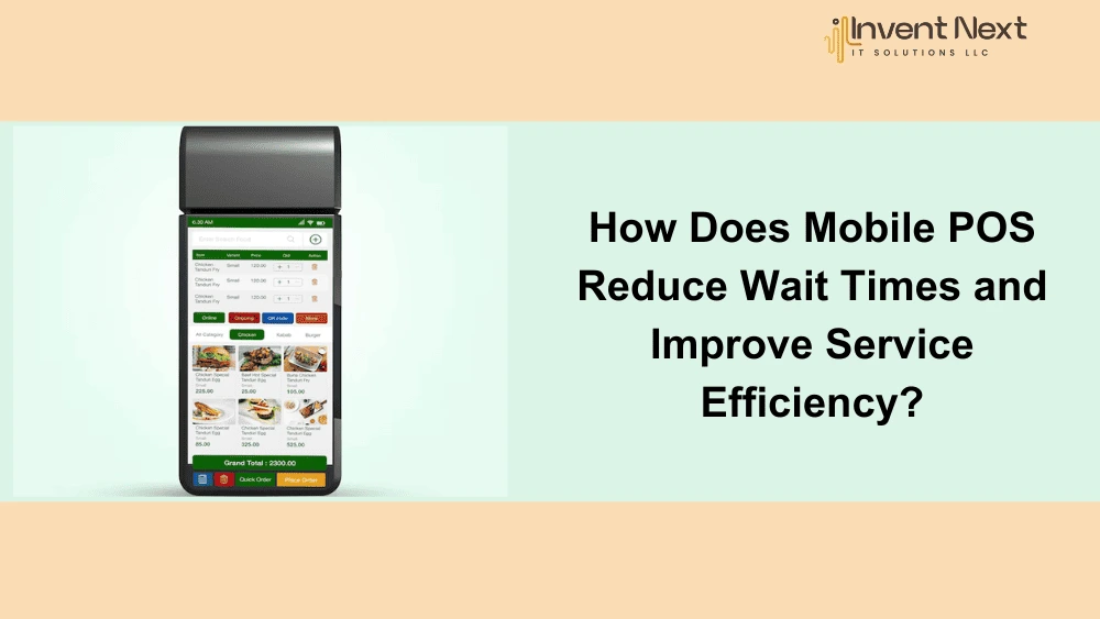
The growing need for mobility is driving the evolution of POS technology. Portable systems like tablets and smartphones enable businesses to process payments anywhere, from food trucks to trade shows or even directly at customers’ homes. These systems also enhance customer interaction by enabling transactions anywhere within a store or venue, reducing wait times and improving the overall experience.

Sustainability and Eco-Friendly Practices

Sustainability is becoming a priority for businesses worldwide, and POS systems are no exception. The future of POS technology will include features that promote eco-friendly practices, such as digital receipts, paperless reports, and energy-efficient hardware. By adopting sustainable POS solutions, businesses can reduce their environmental impact while appealing to environmentally conscious customers.

Why choose Invent Next

Choosing Invent Next for your retail software needs in Dubai ensures you get a reliable, innovative solution designed to streamline your business operations. With a focus on cutting-edge technology, Invent Next offers customized retail software that helps businesses improve efficiency, enhance customer experiences, and boost overall performance. Their team of experts works closely with clients to tailor solutions that meet specific business requirements, whether you’re managing inventory, processing payments, or analyzing sales data. As a trusted partner in Dubai’s competitive retail landscape, Invent Next delivers scalable software solutions that grow with your business and adapt to ever-changing market demands.

Conclusion

The future of Point-Of-Sale systems is bright, with endless possibilities driven by advancements in technology. From cloud computing and AI to IoT integration and enhanced payment options, these systems are set to become smarter, more efficient, and more customer-focused. Businesses that embrace these innovations will not only stay ahead of the competition but also create better experiences for their customers and employees.

As technology continues to evolve, one thing is clear: the point-of-sale system of tomorrow will be much more than just a tool for transactions. It will be a strategic asset that empowers businesses to thrive in an ever-changing marketplace.

Retail Pos with AI and Machine Learning

Transforming Retail POS Systems with AI and Machine Learning

The retail sector is experiencing a significant evolution fueled by the integration of Artificial Intelligence (The retail sector is undergoing a significant transformation, driven by the integration of Artificial Intelligence (AI) and Machine Learning (ML). These advancements are reshaping Point of Sale (POS) systems, including retail POS software in Dubai, allowing retailers to improve customer experiences, streamline operations, and maintain a competitive edge in a rapidly evolving market.

What Are Retail POS Systems?

Point of Sale (POS) systems are the technology backbone of retail transactions, combining hardware and software to manage sales, inventory, and customer interactions. Traditionally, POS systems handled basic tasks like processing payments and tracking inventory. However, with AI and ML integration, their capabilities have expanded, offering retailers powerful tools to drive growth and efficiency.

Elevating Customer Experiences

AI-driven POS systems transform the shopping experience by personalizing interactions. These systems analyze customer purchase histories to offer tailored recommendations. For example, when a repeat customer checks out, the system might suggest products that complement their previous purchases, making the experience more engaging and relevant.

Machine learning also authorizes retailers to predict consumer trends and behaviors. By analyzing sales trends, retailers can predict the demand for particular products and modify their stock levels to meet those needs. This proactive approach ensures customers find what they need, boosting satisfaction and sales.

Boosting Operational Efficiency

AI and ML technologies significantly enhance operational processes. One key benefit is smarter inventory management. By analyzing historical data, seasonality, and market trends, machine learning models can accurately forecast product demand. This prevents overstocking or running out of popular items, reducing waste and costs.

Staffing is another area where AI adds value. By analyzing store traffic data, AI-enabled systems can recommend optimal staffing schedules, ensuring adequate coverage during busy periods and reducing unnecessary labor during slower times.

Enhancing Security and Fraud Detection

Security is a critical concern for retailers, and AI is helping to protect POS systems from fraud. Machine learning algorithms can identify unusual transaction patterns, flagging potentially fraudulent activity. For example, if a credit card is used in different locations within a short timeframe, the system can trigger an alert for further review. This proactive approach safeguards both businesses and their customers.

Enabling Seamless Omnichannel Integration

Modern consumers expect a consistent shopping experience across in-store, online, and mobile channels. AI-powered POS systems make this possible by integrating data from all customer touchpoints. For instance, a shopper might browse online, reserve an item, and complete the purchase in-store. A unified POS system ensures smooth transitions across platforms and maintains accurate customer data.

Providing Real-Time Insights

One of the most significant advantages of AI and ML in retail POS systems is real-time analytics. Retailers gain immediate visibility into sales performance, inventory levels, and customer preferences, enabling them to make informed decisions on the fly. For example, if a promotional campaign performs well, the system can suggest extending it or applying similar strategies to other products.

Future Possibilities

The future of AI and ML in retail POS systems is filled with exciting possibilities. Voice-enabled POS systems powered by natural language processing (NLP) could make transactions more intuitive. Additionally, computer vision technology might lead to cashier-less stores, where customers pick up items, and AI handles the checkout process seamlessly.

Conclusion

AI and Machine Learning are reshaping the retail landscape by making POS systems smarter, more efficient, and customer-focused. Retailers leveraging these technologies are better positioned to thrive in an increasingly competitive market. As AI and ML continue to evolve, their potential to revolutionize retail operations and elevate customer experiences remains limitless.

POS for small business in Dubai

Point of Sale Systems for Small Businesses: Transforming Transactions into Opportunities

In today’s dynamic business environment, small businesses require tools that streamline operations, enhance efficiency, and elevate customer experiences. One essential tool that achieves all of these goals is a Point of Sale (POS) system. Designed to do much more than just process payments, POS systems for small businesses are game-changers for managing inventory, analyzing sales, and even enhancing customer loyalty.

What is a Point of Sale System?

A Point of Sale (POS) system combines hardware and software to seamlessly manage sales transactions. From scanning barcodes to generating receipts, a POS system is the backbone of any retail or service-oriented business. Modern POS systems go beyond cash registers by integrating inventory tracking, customer relationship management, and data analytics into a single platform.

Why Do Small Businesses Need a POS System?

Small businesses typically operate with limited resources, making efficiency and accuracy essential. Here’s why a POS system is a vital tool for their success:

1. Streamlined Transactions

POS systems offers quick and secure payment processing. POS systems help reduce wait times, enhancing the overall customer experience.

2. Inventory Management

Monitor inventory levels in real-time, set alerts for low stock, and avoid both overstocking and stockouts.

3. Sales Insights and Analytics

Analyze daily, weekly, or monthly sales trends to make informed decisions and identify top-selling products or services.

4. Enhanced Customer Loyalty

POS systems allow businesses to track customer preferences. So, it’s offer personalized discounts, and implement loyalty programs.

5. Multi-Payment Integration

From cash to contactless payments, POS systems offer flexibility in handling multiple payment methods, meeting customer expectations.

Features to Look for in a POS System for Small Businesses

When selecting a POS system, it’s important to consider features that align with the specific needs of your business:

  • Ease of Use: The system should be intuitive for both staff and management.
  • Cloud-Based Access: Effortlessly manage your business from any location with the reliability of secure cloud connectivity.
  • Scalability: Your POS system should be able to expand and adapt as your business grows, supporting additional features or locations.
  • Custom Reporting: Access tailored reports to track performance metrics.
  • Integration Capabilities: Effortlessly connect with accounting, CRM, and inventory management software for streamlined operations.

Benefits of POS Systems for Small Businesses

Cost Efficiency

POS systems reduce manual errors and save time, ultimately cutting operational costs.

Improved Accuracy

POS systems reduce human error by automating tasks such as billing and inventory management.

Better Customer Relationships

Gain deeper insights into your customers and provide them with personalized services based on data-driven analytics.

Compliance Made Easy

Many POS systems ensure compliance with tax regulations, simplifying audits and tax filings.

How to Choose the Right POS System for Your Business

Selecting the perfect POS system involves evaluating your business needs and goals. Here are some tips:

  1. Assess Your Business Type: Restaurants, retail stores, and service businesses have unique POS requirements.
  2. Determine Your Budget: Find a system that offers the best features within your price range.
  3. Look for Support and Updates: Ensure the provider offers continuous technical support and regular software updates for optimal performance.
  4. Try Before You Buy: Opt for a demo or trial version to test the software’s functionality.

Invent Next: Your Partner in POS Excellence

At Invent Next, we specialize in providing best POS systems for small businesses in Dubai and beyond. Our solutions are customized to fit your specific needs, guaranteeing smooth integration and powerful functionality. Our advanced Retail POS System in Dubai is designed to streamline operations, manage inventory, and deliver an exceptional customer experience, making it the perfect solution for small businesses in the competitive retail landscape.

From improving sales operations to fostering customer loyalty, our POS systems empower small businesses to thrive in a competitive market.

Final Thoughts

Incorporating a POS system into your small business isn’t just about simplifying transactions—it’s about unlocking growth and improving customer satisfaction. Invest in a reliable POS solution today and watch your business reach new heights.

Get in touch with Invent Next for the best POS solutions designed for small businesses. Let me know if you’d like specific customization for your business niche!

Why restaurants in Dubai use POS system

Why Should Your Restaurant in Dubai Use a POS System?

Dubai’s dynamic restaurant industry demands efficiency, precision, and innovation. A restaurant POS (Point of Sale) system is the ultimate tool for meeting these challenges. By streamlining operations and enhancing customer service, it becomes an invaluable asset for restaurants aiming to thrive in Dubai’s competitive food scene. If you’re looking to enhance your restaurant operations and improve customer service, a reliable restaurant POS system in Dubai is the perfect solution. Let’s check why should your restaurant in Dubai use a POS Sysstem.

What is a Restaurant POS System?

Why should your restaurant in Dubai use a POS System

A restaurant POS system is a digital solution designed to manage key restaurant operations such as order processing, payment handling, inventory management, and staff monitoring. Unlike traditional cash registers, a modern POS system integrates multiple functions into one platform, allowing restaurants to operate efficiently and deliver an exceptional dining experience. In a fast-paced environment like Dubai, where customer expectations are high, a POS system ensures seamless operations and boosts customer satisfaction.

Importance of Restaurant POS System

Enhancing the Dining Experience

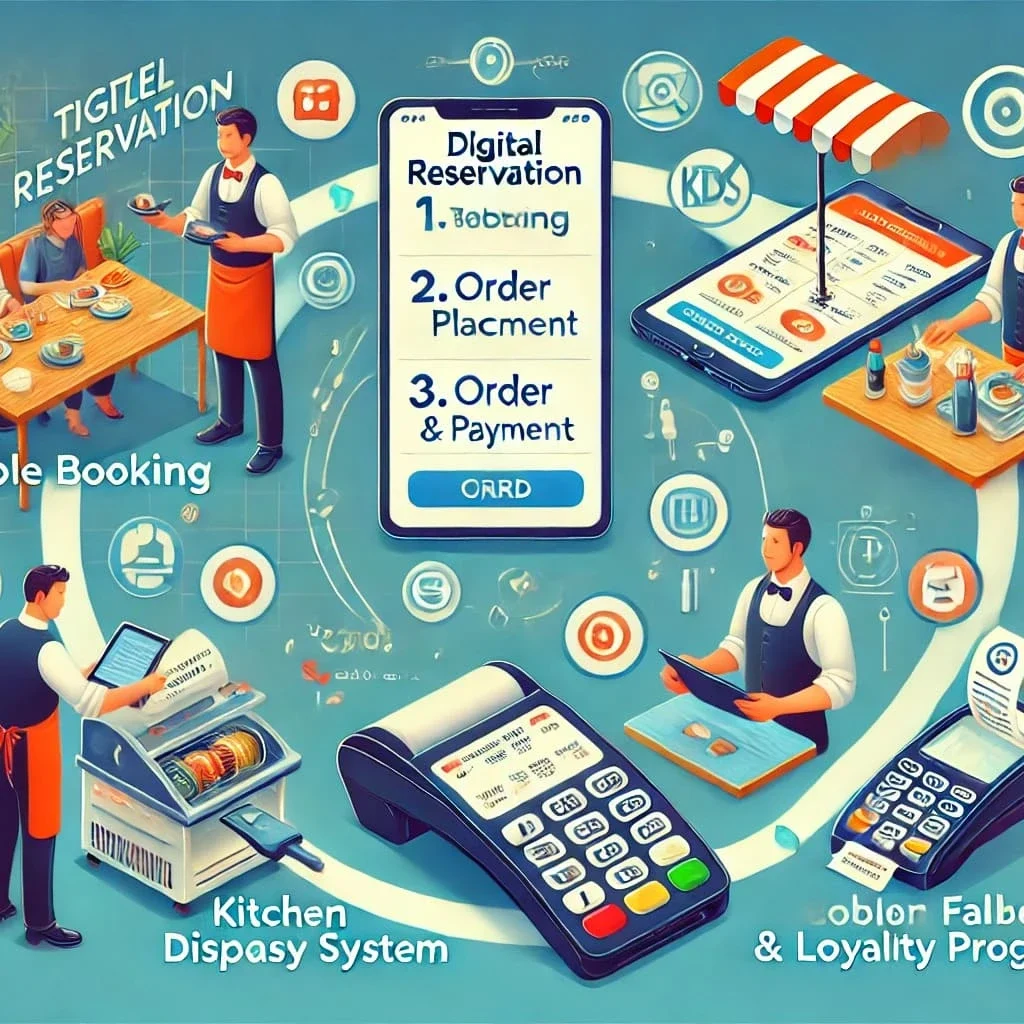
A POS system significantly enhances the dining experience for your customers by streamlining various aspects of service. Orders are quickly and accurately sent to the kitchen, reducing delays and minimising errors, which ensures a smoother dining experience. Payments are made hassle-free with support for multiple payment options, including cash, credit cards, and digital wallets, offering customers convenience and flexibility. Additionally, by storing customer data such as order history and preferences, the system enables personalised interactions that make guests feel valued and appreciated. These features collectively elevate the service quality, leaving a positive impression and fostering customer loyalty.

Efficient Inventory Management

Inventory management is a critical component of running a successful restaurant, and a POS system makes this process seamless by providing real-time stock tracking. The system constantly monitors inventory levels, ensuring that popular items remain in stock and preventing shortages that could affect service. Additionally, low-stock alerts notify restaurant owners when essential ingredients are running low, allowing them to take action before they run out. With the ability to generate detailed sales reports and analyse trends, the POS system also helps forecast demand, optimise stock levels, and reduce waste. For restaurants in Dubai, where diverse menus are common, these features are vital for maintaining operational efficiency and minimising costs.

Integrating Online and Offline Operations

The rise of online food delivery services in Dubai has made integration with these platforms essential for modern restaurants. A POS system seamlessly syncs with popular platforms like Talabat and Deliveroo, ensuring efficient processing of online orders and integrating them smoothly into the restaurant’s operations. Furthermore, the system continues to function even during internet outages, with the ability to sync data once connectivity is restored. This dual capability ensures that restaurants can operate without interruptions, catering to both in-house and online customers effortlessly, providing a seamless service experience across all channels.

Ensuring VAT Compliance

In Dubai, compliance with VAT regulations is mandatory for all businesses, including restaurants. A POS system simplifies this process by automating tax calculations, ensuring that VAT is accurately applied to every transaction. The system also generates comprehensive tax reports, making VAT filing easier and reducing the risk of errors. By ensuring legal compliance, the POS system helps restaurants avoid penalties and stay in line with local tax laws. With these VAT-compliant features, a POS system removes the complexities of tax management, allowing restaurant owners to focus on enhancing their operations and customer experience.

Streamlining Employee Management

Managing staff becomes much easier with a restaurant POS system that includes employee management features. The system allows restaurant owners to monitor individual employee performance by tracking sales and contributions, helping identify top performers and areas for improvement. It also simplifies attendance management by tracking shifts and employee attendance, enabling better scheduling and ensuring optimal staffing levels. During peak hours, the system helps ensure that there are enough staff members on duty to maintain high service standards. This not only improves workforce productivity but also helps restaurants in Dubai uphold the exceptional service quality expected by customers.

Scaling for Growth

For restaurants planning to expand in Dubai, a scalable POS system is essential for maintaining efficiency and consistency across multiple locations. With cloud-based access, restaurant owners can manage operations remotely and access real-time data from anywhere, making it easier to oversee business performance at any time. The system also offers centralised reporting, allowing owners to monitor the performance of various outlets through one dashboard. Additionally, customisable options enable the system to be tailored to meet the specific needs of each location. A POS system designed for scalability ensures that as your business grows, operations remain smooth and efficient, supporting long-term success.

Choose the Right Pos System for Your Business

A restaurant POS system is more than a tool for payment processing—it’s a comprehensive solution for optimising operations, improving customer experiences, and boosting profitability.

From streamlining orders and managing inventory to ensuring VAT compliance and enhancing employee productivity, a POS system empowers restaurants to excel in Dubai’s competitive market. For restaurant owners ready to elevate their operations, investing in a modern POS system is a strategic move that ensures long-term success.

Why Choose Invent Next for Restaurant POS Installation?

With advanced features like order management, payment processing, inventory tracking, and staff management, Invent Next’s POS system can streamline your day-to-day tasks and improve overall efficiency. To learn more about how a restaurant POS system in Dubai can transform your business, feel free to get in touch with us today. You can also contact us for POS software in Abu Dhabi. Our team is ready to provide you with personalised solutions and expert support to help your restaurant thrive in the competitive Dubai market.

How POS Software Transforms Modern Operations

Unlocking Business Potential: How POS Software Transforms Modern Operations

In today’s fast-paced business environment, Point of Sale (POS) software has evolved from a simple cash register tool to a comprehensive business management system. No longer just a tool to record transactions, modern POS software empowers businesses by streamlining operations, enhancing customer experience, and providing valuable insights into sales and customer behaviour. This blog will explore how POS software helps businesses unlock their potential and what to look for when choosing the right system.

What is POS Software?

POS software is a digital system that handles sales transactions, tracks inventory, and manages customer relationships. Accessible via computers, tablets, or mobile devices, today’s POS systems offer businesses a flexible, centralised tool for overseeing day-to-day operations. Whether it’s a retail shop, a restaurant, or a service-based business, the right POS software can provide a robust foundation for growth and efficiency.

Key Benefits of POS Software

POS software brings numerous benefits that make business management smoother and more efficient. The first major advantage is streamlined transactions and improved service. Modern POS systems enable fast, accurate transactions that reduce customer wait times and allow staff to focus on service quality. In busy environments, like retail and hospitality, faster transactions can lead to higher customer satisfaction and quicker service during peak hours.

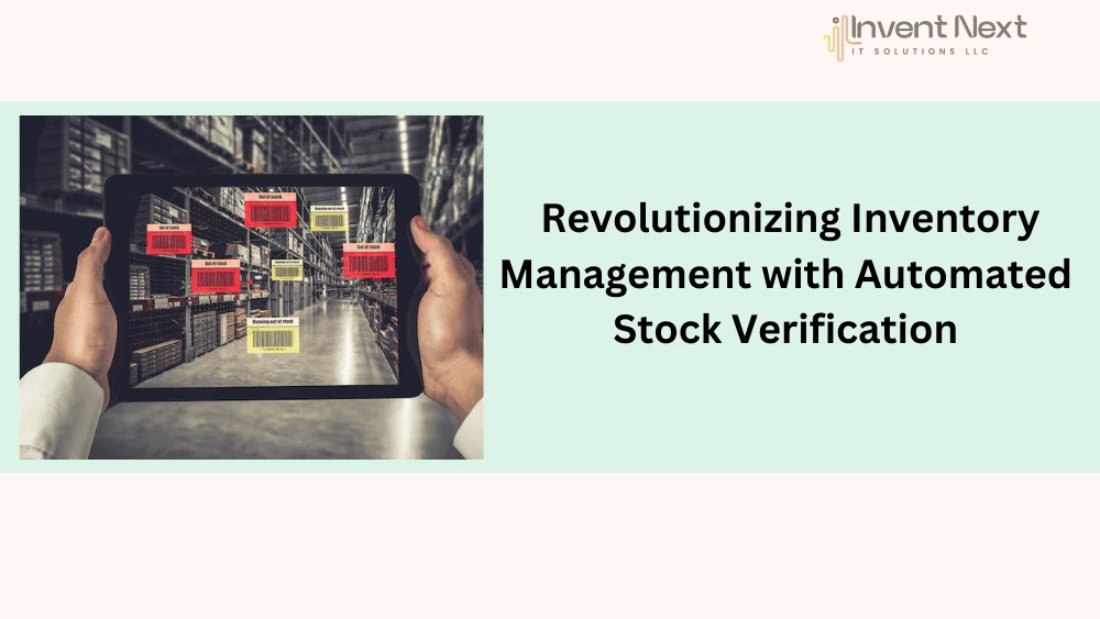
Another critical benefit is inventory management. POS software tracks stock levels in real-time, updating inventory automatically with every sale. Businesses can set alerts for low-stock items, making it easier to reorder on time and avoid stockouts. Additionally, POS systems help prevent overstocking by analysing product trends, enabling smarter purchasing decisions and better inventory control. These tools also reduce errors and theft by maintaining accurate stock records.

Data and sales insights are other game-changing features of POS systems. By analysing sales data, businesses can identify trends, best-selling products, and peak business hours. This data provides insights that inform decisions on stocking, promotions, and pricing. With this information readily available, businesses can better understand customer preferences and adjust strategies accordingly to boost profitability.

Many POS systems also integrate customer relationship management (CRM) tools, allowing businesses to store customer data and create loyalty programs. CRM features help track purchase history and customer preferences, which can be used to personalise service and enhance customer loyalty. By building deeper relationships with customers, businesses increase the chances of repeat purchases and positive word-of-mouth.

For companies with larger teams, POS software includes employee management features. Many systems can track sales by employee, monitor shift attendance, and offer performance metrics. This data helps managers assess productivity, reward top performers, and optimise staffing schedules, leading to a more productive work environment and improved service delivery.

Industries Benefiting from POS Software

POS software is beneficial across various industries. Retailers can streamline checkouts and manage inventory more effectively, while restaurants use POS systems for table management, order tracking, and even online ordering integration. Service-based businesses, like salons and fitness centres, benefit from POS software with appointment scheduling and client profiles, enabling a more personalised service experience. With tailored features, POS systems add value in diverse sectors, making them highly adaptable tools.

Key Features to Consider When Choosing a POS System

Choosing the right POS system means looking for features that align with your business goals. Cloud-based functionality allows for remote access, which is essential for business owners on the go. Integration capabilities are also crucial, enabling the POS system to connect with accounting, e-commerce, or marketing tools for streamlined operations.

Security should be a top consideration, as POS systems handle sensitive data. Look for systems with PCI compliance and data encryption to safeguard customer information. Additionally, consider scalability. As your business grows, your POS software should support additional terminals and advanced features to meet evolving needs.

Selecting the Right POS Software

With so many POS options available, it’s essential to assess your business size, budget, and specific needs. Look for user-friendly systems, as a POS solution should simplify, not complicate operations. Many providers offer trial periods, allowing you to test software before committing. By taking time to explore options, you can choose a POS system that aligns with your current operations and future growth.

In summary, POS software has evolved to become a core part of business management, supporting everything from transactions to customer relationships. Implementing the right POS system helps businesses enhance efficiency, improve customer service, and make informed, data-driven decisions. With a reliable POS system, businesses can streamline operations and position themselves for long-term success, unlocking new growth potential and staying competitive in an ever-evolving market.

 Get in Touch for Your POS Solutions

If you’re looking for reliable POS software to streamline your business, our tailored solutions are designed to meet your unique needs. Contact us today to discover how we can help you enhance efficiency and drive growth with retail POS software in Abu Dhabi.

supermarket POS

Revolutionizing Supermarket Billing: The Power of Fast and Efficient Checkout Systems

In today’s fast-paced retail environment, time is money. As customers increasingly expect quicker and more convenient shopping experiences, supermarkets must adapt to stay competitive. One of the most critical areas for improving customer satisfaction and operational efficiency is the checkout counter. Fast billing systems have become a game-changer, offering speed, accuracy, and a seamless customer experience.

At Invent Next IT World, we understand that the checkout process is the final touchpoint in a customer’s shopping journey. A smooth and quick checkout not only boosts customer satisfaction but also drives operational efficiency. Let’s explore how implementing the right technology can revolutionize the billing process in your supermarket.

The Need for Speed: Why Fast Billing Matters

Supermarket customers today are more tech-savvy than ever before, and they value their time. Slow checkout lines are one of the top complaints among shoppers. According to studies, long wait times at checkout are a leading cause of customer frustration, leading to cart abandonment and lost sales.

Fast billing systems help to eliminate bottlenecks at the checkout counter, enabling customers to pay for their goods in record time. This means reduced wait times, faster service, and ultimately happier customers.

By adopting efficient point-of-sale (POS) solutions like InventPOS, supermarket operators can offer a smooth, lightning-fast checkout experience. Let’s dive into how InventPOS enhances supermarket billing.

Key Features of Fast Billing Solutions

  1. Seamless Transaction Speed
    With InventPOS, the transaction process is optimized for speed. Barcode scanning is faster, reducing the time it takes to register items. Integration with various payment methods, such as mobile wallets and credit cards, ensures that the transaction can be completed swiftly and securely.
  2. Real-Time Data Processing
    InventPOS provides real-time data processing, so inventory and sales records are updated instantly as each transaction occurs. This means no more delays in stock updates or transaction logging. With live analytics at your fingertips, supermarket managers can monitor sales performance and stock levels instantly.
  3. User-Friendly Interface
    A cluttered and complicated POS system can slow down the checkout process. InventPOS comes with an intuitive, user-friendly interface that makes it easy for cashiers to scan items, apply discounts, and process payments quickly, even during peak shopping hours.
  4. Advanced Error Prevention
    Mistakes at checkout can result in delays and customer dissatisfaction. InventPOS is designed with advanced error-checking features, ensuring that every transaction is accurate and processed correctly the first time.
  5. Flexible Payment Options
    Today’s customers prefer various payment methods, and offering multiple options helps speed up the billing process. Whether it’s contactless payments, mobile wallets, or traditional card payments, InventPOS supports them all, ensuring a quick and hassle-free experience for both the customer and the cashier.
  6. Queue Management
    An often overlooked feature in fast billing is the ability to manage customer flow efficiently. With integrated queue management, supermarkets can direct customers to the fastest available counters or self-checkout stations, preventing long lines from forming and keeping the checkout process smooth and efficient.

How Fast Billing Benefits Your Supermarket

  1. Increased Customer Satisfaction
    Customers love a quick and efficient shopping experience. When checkout is fast and seamless, customers leave the store happy, which leads to increased customer loyalty and repeat business.
  2. Enhanced Operational Efficiency
    Faster billing translates into shorter lines and a higher volume of transactions per hour. This not only reduces the strain on your cashiers but also improves overall store performance, helping you serve more customers in less time.
  3. Reduced Abandoned Carts
    Slow checkout times can cause customers to abandon their purchases. With fast billing systems in place, you significantly reduce the chances of customers walking away from their cart due to long lines.
  4. Boosted Revenue
    When your checkout process is faster, customers are more likely to purchase more and return more frequently. Fast billing enables your store to handle a higher volume of transactions, leading to increased revenue.
  5. Competitive Advantage
    In today’s competitive retail environment, every advantage counts. Supermarkets that adopt fast billing solutions are more likely to stand out and attract customers who value convenience, speed, and modern technology.

The Future of Supermarket Checkout Systems

The future of supermarket checkout systems is all about speed, convenience, and personalization. At Invent Next IT World, we are committed to staying ahead of the curve by continuously innovating and refining our POS systems to meet the evolving needs of the retail sector. With our InventPOS, point-of-sale software Dubai, supermarkets can deliver the quick, efficient checkout experience that customers demand while maximizing operational efficiency.

If you’re looking to upgrade your supermarket’s billing process and ensure a seamless experience for your customers, InventPOS is the solution you need. Learn more about InventPOS here and join the revolution in fast and efficient supermarket billing.

Speed is the Key to Success

In the supermarket industry, fast billing is no longer just a luxury; it’s a necessity. Customers expect quick, efficient service, and implementing the right technology can make all the difference. By embracing InventPOS, supermarkets can provide the fast and seamless checkout experience that today’s shoppers crave, driving customer satisfaction, increasing revenue, and staying ahead of the competition.

At Invent Next IT World, we make business smarter and more efficient with our cutting-edge IT solutions. With over 10 years of experience, we provide easy-to-use products like InventPOS and TeamLog HR that help businesses automate, optimize, and grow. We’re committed to delivering fast, reliable solutions that save you time and boost your success. Join us and experience innovation that works for you!

Spare Parts software blog thumbnail image

How Spare Parts Software Can Transform Inventory Management of Your Business in Abu Dhabi

In Abu Dhabi’s thriving industrial and automotive sectors, efficient spare parts management is crucial for maintaining uninterrupted operations. With the constant need to track, organize, and replenish spare parts, traditional inventory management methods can quickly become tough and error-prone. As businesses grow, relying on manual tracking can lead to lost time, increased costs, and decreased productivity.

Enter Spare Parts Software – a solution that automates inventory processes and enhances efficiency and accuracy, allowing businesses to focus on growth rather than administrative tasks. This blog explores how spare parts software can revolutionize inventory management for Abu Dhabi’s businesses, offering insights into its key features and benefits.

Benefits of Spare Parts Software

Enhanced Inventory Visibility

One of the primary benefits of spare parts software in Abu Dhabi is its real-time visibility. Knowing the exact location and quantity of each spare part at any given moment helps businesses plan ahead and make informed decisions.

  • Centralized Dashboard: A spare parts software platform centralizes inventory data, allowing you to see stock levels, item location, and availability instantly.
  • Tracking and Alerts: Real-time tracking and alert systems ensure that you are notified of low stock levels or parts nearing expiration, preventing unexpected shortages.

With enhanced visibility, Abu Dhabi businesses can maintain optimal stock levels, which reduces downtime and keeps operations running smoothly.

Automation of Routine Tasks

Manual inventory management involves a variety of repetitive tasks, from updating stock levels to generating reports. Spare parts software automates these processes, which reduces the risk of human error and saves time.

  • Automated Reordering: The software can automatically reorder parts when they hit predefined thresholds, preventing stockouts.
  • Predictive Analytics: By analyzing usage patterns, spare parts software can predict future needs, helping businesses plan more effectively.

By automating routine tasks, companies can ensure that their inventory is consistently well-stocked without needing constant manual oversight.

Cost Savings Through Improved Resource Management

Efficient spare parts management isn’t just about having the right parts; it’s about using resources wisely. Spare parts software can lead to significant cost savings by optimizing stock levels, reducing waste, and improving resource allocation.

  • Reduced Carrying Costs: With accurate demand forecasting, you can avoid overstocking, which ties up capital and increases storage costs.
  • Waste Minimization: Spare parts software helps monitor parts that have expiry dates or shelf-life limits, minimizing waste through timely usage or replacement.

In Abu Dhabi, where operational efficiency is key, these cost-saving features make a substantial difference in both the short and long term.

Seamless Integration with Other Business Systems

Modern spare parts software integrates with various business systems like ERP, CRM, and procurement tools, enabling smooth data exchange and unified workflows.

  • ERP Integration: When your spare parts software syncs with your ERP, it becomes easier to manage overall resources and budget allocations.
  • CRM Syncing: By connecting with your CRM, your team can better understand customer demand patterns, helping anticipate future part needs.

Integration reduces data silos, making inventory data accessible across departments for more cohesive and strategic planning.

Better Decision-Making Through Data Analytics

Informed decisions rely on accurate, accessible data. Spare Parts software offers detailed analytics that can guide your inventory management strategies.

  • Demand Forecasting: Leverage historical usage data to forecast demand, ensuring that you stock parts accordingly and reduce over-purchasing.
  • Performance Reports: Generate reports on metrics like turnover rates, lead times, and supplier performance to identify areas for improvement.

For businesses in Abu Dhabi, data-driven insights are invaluable in remaining competitive and responsive to market demands.

Enhanced Supplier Management

Spare parts software typically includes tools for managing suppliers and tracking orders, helping businesses maintain strong supplier relationships and ensure timely deliveries.

  • Supplier Scorecards: Rate and track suppliers based on criteria such as lead time, quality, and reliability.
  • Order Tracking: Monitor the progress of each order, ensuring parts arrive on schedule and reducing the risk of delays.

In a fast-paced environment like Abu Dhabi, reliable supplier management is essential for minimizing downtime and keeping projects on track.

Improved Compliance and Risk Management

Many industries in Abu Dhabi have strict compliance requirements, particularly in sectors like aviation, oil and gas, and healthcare. Spare parts software helps maintain compliance by ensuring parts are properly documented, tracked, and stored. If you are looking for Trading software in Abu Dhabi, you can go to our trading and warehouse software.

  • Regulatory Compliance: Track certifications and regulatory requirements to ensure every part meets industry standards.
  • Risk Management: Quickly identify and isolate defective parts or those recalled by manufacturers, reducing liability and improving safety.

By streamlining compliance and reducing risks, businesses in highly regulated industries can avoid costly fines and build a reputation for reliability.

Why should you choose Invent Next’s POS Software?

For businesses in Abu Dhabi, where reliability and efficiency are crucial, investing in spare parts software can lead to long-term gains in productivity and growth. As technology continues to advance, having a robust inventory management solution will be key to staying competitive in the region’s fast-evolving market.

Implementing spare parts software with Invent Next IT solutions effectively allows Abu Dhabi businesses to streamline inventory management and boost operational efficiency. At Invent Next, we specialize in providing tailored software solutions that enhance visibility, automate processes, and deliver actionable insights, enabling you to manage spare parts inventory with precision. We are the best known pos system suppliers in UAE With our advanced technology and industry expertise, your business can meet demand efficiently, reduce costs, and strengthen resilience in a competitive market. Let Invent Next help you drive long-term productivity and growth with innovative spare parts management solutions.

Separate pos system vs all in one pos software

Separate POS Software vs. All-in-One Systems: Which is Better for Retail?

Choosing the right Point of Sale (POS) system is a crucial decision for retail businesses. With various options available, the two primary choices are standalone (or separate) POS software and all-in-one systems that include POS features along with other integrated functionalities, like accounting or customer relationship management (CRM). Each option has its strengths, but the right choice depends on your business needs, scale, and growth plans. Here’s a closer look at the pros and cons of separate POS software versus all-in-one systems to help you decide which best suits your retail business.

1. Flexibility and Customization

Separate POS Software: Standalone POS software offers exceptional flexibility, allowing businesses to select the features that fit their specific needs. With separate POS software, you have the freedom to choose the best-in-class tools for inventory management, employee scheduling, and customer loyalty programs.

  • Pros: Highly customizable, with specialized features for inventory, sales reporting, and customer data collection.
  • Cons: Separate integrations might require additional setup time and periodic maintenance.

All-in-One Systems: All-in-one systems bundle various tools into a single platform, simplifying processes for smaller or less complex operations. These systems typically include POS capabilities along with CRM, accounting, and HR tools.

  • Pros: Easy to set up with one provider for all functions, creating a straightforward management experience.
  • Cons: Limited customization, as businesses are often restricted to the features and tools provided within the system.

2. Cost Efficiency

Separate POS Software: Investing in dedicated POS software can sometimes be more cost-effective in the long run, especially for growing businesses. Since you only pay for the POS-specific features you need, it allows more control over expenses, avoiding payment for unnecessary bundled tools.

  • Pros: Pay only for POS functionalities, potentially lowering initial and maintenance costs.
  • Cons: Some businesses may find separate add-ons for other functions, like accounting, to add up over time.

All-in-One Systems: These systems can offer a more affordable initial setup, especially for small businesses that need multiple functionalities in one package.

  • Pros: Cost-effective upfront for small operations or startups needing a comprehensive toolset.
  • Cons: Monthly fees for bundled services can add up, and if you aren’t using every feature, you might end up paying for services you don’t use.

3. Scalability and Growth Potential

Separate POS Software: Standalone POS software is often the preferred choice for businesses looking to scale, as it allows for more tailored growth and upgrades. Retailers can invest in additional features or integrations as needed.

  • Pros: Easily adaptable for scaling, with add-ons and integrations that align with your business growth.
  • Cons: Adding new features may require third-party tools, leading to more complex management.

All-in-One Systems: While all-in-one systems provide a straightforward, integrated approach, their scalability can be limited as businesses grow and require more specialized functionalities.

  • Pros: Suitable for businesses with predictable, stable needs and modest growth plans.
  • Cons: Not ideal for rapid growth, as these systems may lack advanced features to support an expanding, multi-location retail operation.

4. Advanced Reporting and Analytics

Separate POS Software: Separate POS systems often come with powerful, specialized reporting capabilities designed specifically for retail. From real-time inventory tracking to detailed sales analysis, these tools offer in-depth insights essential for making data-driven decisions.

  • Pros: Robust reporting features focused on retail-specific metrics like peak hours, product popularity, and sales trends.
  • Cons: Additional analytics tools may be needed for holistic insights if your business requires them.

All-in-One Systems: All-in-one systems provide general analytics across multiple areas (e.g., sales, HR, customer service), but their reporting capabilities may not be as specialized for retail operations.

  • Pros: Convenient, all-encompassing data analytics across all business functions.
  • Cons: Reporting may lack depth, making it less suitable for businesses requiring granular insights specific to retail.

5. Customer Support and Specialized Knowledge

Separate POS Software: POS software providers focus solely on retail solutions, which means their support teams are often experts in solving retail-related challenges. This can be particularly helpful for handling specific issues, like payment processing errors or inventory discrepancies.

  • Pros: Dedicated support teams with retail-specific expertise and quicker issue resolution.
  • Cons: Businesses may need separate support contacts for other integrated software.

All-in-One Systems: All-in-one systems offer centralized support, making it easier to reach out for any issue across various tools. However, the support might lack the specialized retail focus of a standalone POS provider.

  • Pros: Single support team for all integrated functions, simplifying troubleshooting.
  • Cons: Limited expertise in specialized retail POS issues, leading to potentially slower issue resolution.

Which Option is Right for Your Retail Business?

Both separate POS software and all-in-one systems offer unique benefits, and the best choice depends on your specific business needs. If you’re a small retailer with straightforward operational requirements, an all-in-one system might suit your business. You can choose Invent Next’s retail software in Dubai for your retail shops. However, if you’re a growing retail business looking for flexibility, scalability, and specialized retail functionalities, separate POS software is likely the better investment.

Why Choose to Invent Next for Your POS Needs?

At Invent Next IT World, we specialize in providing customized POS software solutions designed to meet the unique needs of retail businesses in Dubai and beyond. Our POS systems deliver advanced reporting, seamless integrations, and robust security, allowing your retail operation to scale efficiently. With Invent Next, you gain access to a dedicated team of retail experts who understand the challenges of modern retail and are here to support you every step of the way.

POS system in Retail Thumbnail

5 Common Mistakes to Avoid When Implementing POS Software in Retail

Choosing and implementing the right Point of Sale (POS) software is one of the most impactful decisions a retail business can make. The right POS system streamlines transactions, improves inventory management, and enhances customer experience—all essential for retail success. However, businesses can sometimes overlook crucial aspects during implementation, leading to issues that affect efficiency and overall performance.

As an industry leader, Invent Next IT World has helped countless retail businesses in Dubai and beyond to successfully implement POS software tailored to their needs. This blog covers five common mistakes to avoid during POS implementation and how Invent Next can help you get it right.

1. Failing to Identify Your Business Needs

Every retail business has unique needs based on its size, industry, and customer preferences. A common pitfall is choosing a POS system without fully understanding how it will meet specific operational needs.

  • Solution with Invent Next: Invent Next offers consulting to help you define your business requirements before selecting POS software. For example, if you run a multi-location store, we provide systems that support centralized inventory management and multi-store functionality. Understanding your core needs ensures that our tailored solutions genuinely benefit your business.

2. Overlooking Integration Capabilities

A POS system should work seamlessly with other business software such as accounting tools, e-commerce platforms, and customer relationship management (CRM) systems. Choosing a POS system without integration capabilities creates data silos and inefficiencies.

  • Solution with Invent Next: Invent Next’s POS systems are designed for smooth integration with essential software, enabling streamlined data transfer between applications. Our team ensures your POS integrates perfectly with your current tech stack, providing a holistic view of business performance and reducing the need for manual data entry. You can choose Invent Next’s Retail POS Software in Abu Dhabi for a better experience.

3. Neglecting Employee Training

Even the best POS software won’t be effective if employees don’t know how to use it correctly. Many retailers make the mistake of skipping comprehensive training, which results in underutilization of the software’s features and inefficiencies at the checkout counter.

  • Solution with Invent Next: Invent Next provides hands-on training sessions for all employees who will use the POS system. Our comprehensive training ensures that your team feels comfortable navigating the software, processing transactions, and managing returns. We also offer tutorial resources and ongoing support to keep your team efficient and confident.

4. Ignoring Security Measures

With cyber threats on the rise, data security is more critical than ever. Retailers often overlook the importance of security in their POS systems, risking customer data breaches and significant financial losses.

  • Solution with Invent Next: Invent Next prioritizes security in all our POS software solutions. Our systems include robust encryption, secure payment processing, and regular software updates to protect against cyber threats. We also help implement multi-factor authentication and data backups to safeguard sensitive information, ensuring that your business remains compliant and protected.

5. Skipping the Testing Phase

Rushing the implementation process and skipping the testing phase is a mistake that can lead to costly operational issues later. Without proper testing, you may miss critical bugs or integration problems that could affect daily operations.

  • Solution with Invent Next: Invent Next conducts a rigorous testing phase for every POS implementation. We run trial transactions, test the system under different conditions, and check all integration points to ensure reliable performance across devices and locations. Our detailed testing approach helps identify and resolve issues before they impact your business, ensuring a smooth transition.

Implementing POS Software in Retail with Invent Next

Implementing POS software can be a game-changer for retail businesses, but avoiding these common mistakes is essential for a successful rollout. Invent Next’s experience and expertise in POS systems ensure that you get a tailored, secure, and fully integrated solution designed to enhance efficiency and support growth.

With Invent Next by your side, your POS software will become a powerful tool for driving success, streamlining operations, and delivering an enhanced customer experience. Our commitment to understanding your unique needs and delivering customized solutions makes us the ideal partner for all your POS system requirements.

Restaurant POS Software Abu Dhabi

Top Features of Restaurant POS System

In today’s fast-paced restaurant environment, an efficient Point of Sale (POS) system is crucial for streamlining operations, enhancing customer service, and boosting profits. With numerous options available, understanding the top features of a restaurant POS system can help you make an informed decision that fits your needs. This blog explores essential features of restaurant POS Abu Dhabi that every restaurant should consider.

1. Order Management

restaurant software Abu Dhabi

One of the most important features of a restaurant POS system is efficient order management. This includes taking orders quickly and accurately, sending them directly to the kitchen, and managing modifications or special requests seamlessly. A good POS system enables servers to enter orders from tables or mobile devices, reducing errors and speeding up service.

Why It Matters:

Quick and accurate order management increases customer satisfaction, leading to frequent business and positive reviews.

2. Payment Processing

A modern POS system should support various payment methods, including credit and debit cards, mobile wallets, and gift cards. Fast and secure payment processing is important to minimize waiting time and enhance the overall dining experience.

Benefits:

  • Speed: Customers can pay quickly, reducing wait times.
  • Flexibility: Offering a variety of payment options accommodates different customer preferences.

3. Inventory Management

Efficient inventory management is essential for managing expenses and reducing waste. A POS system with integrated inventory tracking enables restaurants to monitor stock levels in real-time, notifying managers when supplies are running low or need replenishment.

Key Advantages:

  • Cost Control: By keeping track of inventory, restaurants can avoid overstocking and wastage.
  • Menu Management: Adjusting menu items based on available ingredients can help maintain profitability.

4. Table Management

restaurant pos software Abu Dhabi

Table management features allow restaurants to efficiently organize seating arrangements and track reservations. A robust POS system Abu Dhabi provides visual layouts of the dining area, helping hosts and servers manage table availability and optimize seating.

Importance:

Effective table management enhances the flow of service and maximizes seating capacity, leading to increased revenue.

5. Sales Reporting and Analytics

Comprehensive reporting capabilities are essential for analyzing sales performance, employee productivity, and customer preferences. A good POS system generates detailed reports that provide insights into peak hours, popular menu items, and overall profitability.

Why You Need It:

  • Informed Decisions: Data-driven insights enable restaurant owners to make strategic decisions for menu adjustments, staffing, and promotions.
  • Trend Analysis: Analyzing sales trends allows restaurants to foresee customer needs and adapt their marketing strategies accordingly.

6. Customer Relationship Management (CRM)

Integrating CRM features into your POS system allows you to collect and analyze customer data. This can include contact information, purchase history, and feedback, enabling you to create personalized marketing campaigns and loyalty programs.

Benefits of CRM:

  • Loyalty Programs: Rewarding repeat customers fosters loyalty and encourages repeat visits.
  • Targeted Marketing: Understanding customer preferences allows for tailored promotions that can drive sales.

7. Employee Management

A good POS system also includes employee management tools that simplify scheduling, track hours, and manage payroll. This feature helps ensure that staff are adequately scheduled during peak times while also providing insights into employee performance.

Why This Matters:

Streamlined employee management enhances productivity and reduces labor costs, making it easier to maintain high service standards.

8. Mobile Compatibility

In an increasingly mobile world, having a POS system that offers mobile capabilities can greatly benefit restaurants. Mobile POS systems allow servers to take orders and process payments directly at the table, improving efficiency and enhancing the customer experience.

Advantages of Mobile POS:

  • Improved Service Speed: Orders can be taken and sent to the kitchen immediately, reducing wait times.
  • Flexibility: Mobile systems are particularly beneficial for outdoor dining or food trucks.

9. Integration with Other Systems

A versatile POS system should easily integrate with other restaurant technologies, such as online ordering platforms, delivery services, and accounting software. This ensures a seamless operation across all aspects of your restaurant.

Benefits of Integration:

  • Efficiency: Streamlined operations reduce the need for manual entry and minimize errors.
  • Comprehensive Management: An integrated system offers a comprehensive overview of your restaurant’s performance.

10. Security Features

As reliance on technology grows, ensuring security is more critical than ever. A reliable restaurant POS system Abu Dhabi should include robust security features to protect customer data and transaction information. This includes encryption, user access controls, and regular updates to safeguard against vulnerabilities.

Importance of Security:

Protecting sensitive information builds customer trust and complies with industry regulations, preventing potential financial loss.

Conclusion

Investing in a high-quality restaurant POS system Abu Dhabi can significantly enhance your restaurant’s operations, customer service, and profitability.

By understanding and prioritizing these top features—order management, payment processing, inventory management, table management, sales reporting, CRM, employee management, mobile compatibility, integration, and security—you can choose a system that meets your specific needs.

Whether you’re a new restaurant owner or looking to upgrade your current system, focusing on these features will help you create a more efficient, customer-friendly environment. Using the right POS software allows you to optimize your operations and set your restaurant up for long-term success.