
restaurant-pos-system-uae

Key Business Benefits of Using Restaurant POS Software for Growing Restaurants

Growth is an important milestone for any restaurant. An increase in customers, orders, and revenue signals progress, but it also brings new operational challenges. Processes that once worked smoothly can start to feel inefficient as the business scales. At this stage, adopting the right technology becomes essential for maintaining control and consistency.

Many growing restaurants explore Restaurant POS software as a way to manage increasing operational demands while maintaining service quality. When used correctly, POS software supports growth rather than complicating it.

Handling Higher Order Volumes With Confidence

As restaurants grow, the volume of daily orders rises significantly. Managing this increase manually often leads to delays, miscommunication, and staff stress. A structured digital system helps centralize order processing and billing, ensuring smoother coordination between service and kitchen teams.

With better order flow and reduced confusion, restaurants can handle peak-hour demand more efficiently without sacrificing accuracy or speed.

Reducing Errors That Affect Profitability

Mistakes in orders or billing can quickly impact both revenue and reputation. Even small errors can lead to customer dissatisfaction and food wastage over time.

A reliable restaurant POS setup helps standardize transactions and minimize human error. Orders are recorded accurately, prices are applied consistently, and billing becomes more transparent. This level of accuracy protects profit margins and builds customer trust.

Improving Speed of Service and Staff Efficiency

Speed plays a critical role in customer satisfaction. Slow service not only affects table turnover but also impacts the overall dining experience.

By simplifying order entry and checkout, point of sale software Dubai allows staff to spend less time on administrative tasks and more time focusing on service. Faster operations improve efficiency while reducing pressure on employees during busy periods.

Gaining Better Control Over Inventory and Costs

Inventory management becomes more complex as restaurants expand. Without proper tracking, wastage and stock mismanagement can increase operating costs.

POS systems connect sales activity with inventory usage, providing clear insights into stock movement. This helps restaurant owners plan purchases accurately, reduce waste, and control food costs more effectively as the business grows.

Making Data-Driven Business Decisions

Growth requires informed decision-making. Guesswork can lead to missed opportunities or inefficient resource allocation.

Access to sales reports, performance trends, and peak-hour data allows restaurant owners to make strategic decisions about menus, pricing, and staffing. A well-implemented point of sale system in the UAE supports smarter planning and long-term stability.

Supporting Better Staff Management

As teams grow, managing performance and accountability becomes more challenging. Manual tracking methods often lack accuracy and consistency.

Digital systems provide clear visibility into staff activity and sales handling. This transparency helps identify training needs, improve accountability, and maintain operational discipline across the team.

Maintaining Customer Experience During Expansion

One of the biggest risks during growth is a decline in service quality. Longer wait times, order mistakes, or billing delays can negatively affect customer perception.

By streamlining operations and improving service speed, restaurant POS software helps maintain a consistent customer experience. Satisfied customers are more likely to return and recommend the restaurant, supporting sustainable growth.

Building a Strong Foundation for the Future

Growth is not only about increasing sales but also about building systems that can support long-term success. Scalable technology ensures that operations remain organized and manageable as the business evolves.

With structured workflows and reliable data, restaurant owners can focus on strategy and expansion rather than daily operational issues.

Conclusion: A Smart Step Toward Sustainable Growth

For growing restaurants, efficiency, accuracy, and control are essential. Investing in the right POS solution helps simplify operations, reduce losses, and support informed decision-making.

When implemented thoughtfully, POS software becomes a valuable business tool that strengthens daily operations and prepares restaurants for future expansion. Used correctly, it supports growth without compromising service quality or profitability.

warehouse-pos-system-dubai

How Warehouse POS Reduce Stock Loss and Shrinkage

It usually starts with a small doubt. A warehouse manager notices that a fast-moving item runs out sooner than expected. The system says stock is available, but the shelf is empty. No alarms were triggered, no obvious mistakes were made, yet the numbers do not add up. Over time, these small mismatches grow into larger losses that quietly eat into profits. This is a common reality for businesses that lack visibility and control over inventory movement. When warehouse POS systems are combined with reliable point of sale software, these silent losses become easier to detect, track, and prevent. Warehouse POS systems are no longer limited to billing or transaction recording. They have evolved into operational control tools that connect inventory movement, staff activity, and reporting into a single, dependable workflow. Discover how a warehouse POS reduces stock loss.

Where Stock Loss Really Comes From

Inventory shrinkage rarely happens because of one major failure. More often, it is caused by repeated small issues such as manual entry errors, misplaced items, incorrect receiving, unverified dispatch, or unclear staff responsibility. When systems operate separately, these problems remain hidden.

An integrated warehouse POS setup supported by a structured point of sale system ensures that every inventory movement is captured in real time. This consistency removes gaps where losses typically occur and brings clarity to daily operations.

Real-Time Inventory as a Loss Prevention Tool

One of the biggest advantages of a warehouse POS system is real-time inventory visibility. Every time goods are received, transferred, or dispatched, stock levels update instantly. This eliminates reliance on estimates or delayed records.

With continuous visibility supported by Warehouse management software Dubai, discrepancies are identified early instead of weeks later during audits. Early detection allows teams to investigate issues while they are still manageable, preventing small losses from becoming long-term problems.

Accountability Built into Daily Operations

In many warehouses, inventory issues arise because responsibility is unclear. When too many people can adjust stock or bypass procedures, accountability disappears. Warehouse POS systems solve this by introducing role-based access controls.

Each staff member operates within defined permissions. All actions are logged with user details and timestamps, creating a transparent activity trail. When combined with a centralized Warehouse management system in Dubai, this approach significantly reduces unauthorized handling and internal errors without slowing down operations.

Accuracy Through Automated Identification

Manual data entry is one of the most common causes of stock discrepancies. Even experienced staff can make mistakes during high-volume operations. Warehouse POS systems reduce this risk through barcode-based processing.

Scanning items during receiving, picking, packing, and dispatch ensures that the correct product and quantity are recorded every time. This accuracy is essential in environments where speed and precision must work together to prevent losses.

Securing High-Risk Stages: Receiving and Dispatch

Most inventory losses occur during receiving and dispatch, where goods change hands quickly. Without proper verification, short deliveries, over-shipments, or misplaced items can go unnoticed.

A warehouse POS system introduces structured validation at these critical stages. Incoming goods are matched against records, and outgoing items are confirmed before dispatch. When these workflows are supported by Warehouse management software Dubai, discrepancies are flagged immediately, allowing corrective action before stock leaves control.

Turning Data into Early Warnings

Warehouse POS systems do more than track stock; they generate insights. Reporting tools highlight unusual adjustments, repeated corrections, or sudden stock drops. These patterns often point to process gaps or operational weaknesses.

Using insights generated through a reliable Warehouse management system in Dubai, management teams can address root causes instead of reacting to losses after they occur. Over time, this data-driven approach strengthens inventory discipline and reduces shrinkage.

Less Reliance on Disruptive Audits

Physical audits remain important, but relying solely on periodic checks allows losses to accumulate silently. Warehouse POS systems support continuous validation, making audits faster and more accurate when they are conducted.

Instead of shutting down operations for lengthy counts, businesses gain confidence in their inventory data throughout the year, reducing disruption and improving operational stability.

Conclusion

Stock loss and shrinkage are rarely unavoidable. They are usually the result of limited visibility, manual processes, and disconnected systems. Warehouse POS systems address these challenges by providing real-time tracking, built-in accountability, and accurate data capture across every inventory touchpoint.

By strengthening daily workflows and connecting sales, inventory, and warehouse operations through a unified system, businesses can protect inventory value, improve operational control, and build long-term resilience. In modern warehouse environments, loss prevention is no longer about reacting after problems occur—it is about designing processes that make losses easier to detect and harder to ignore.

retail-pos-software-in-dubai-abudhabi-uae

Common Problems Faced by Retailers Without POS Software in Dubai

Running a retail business in Dubai is highly competitive, and customer expectations continue to rise. Shoppers demand fast billing, accurate pricing, and product availability, while retailers must handle inventory, staff, and reporting efficiently. However, many businesses still operate without retail software in Dubai, relying instead on manual systems or basic billing tools. As a result, daily operations often become slow, error-prone, and difficult to scale. Understanding common problems faced without retail POS clearly shows why POS software has become a necessity rather than a luxury for modern retailers.

Billing Delays and Long Checkout Queues

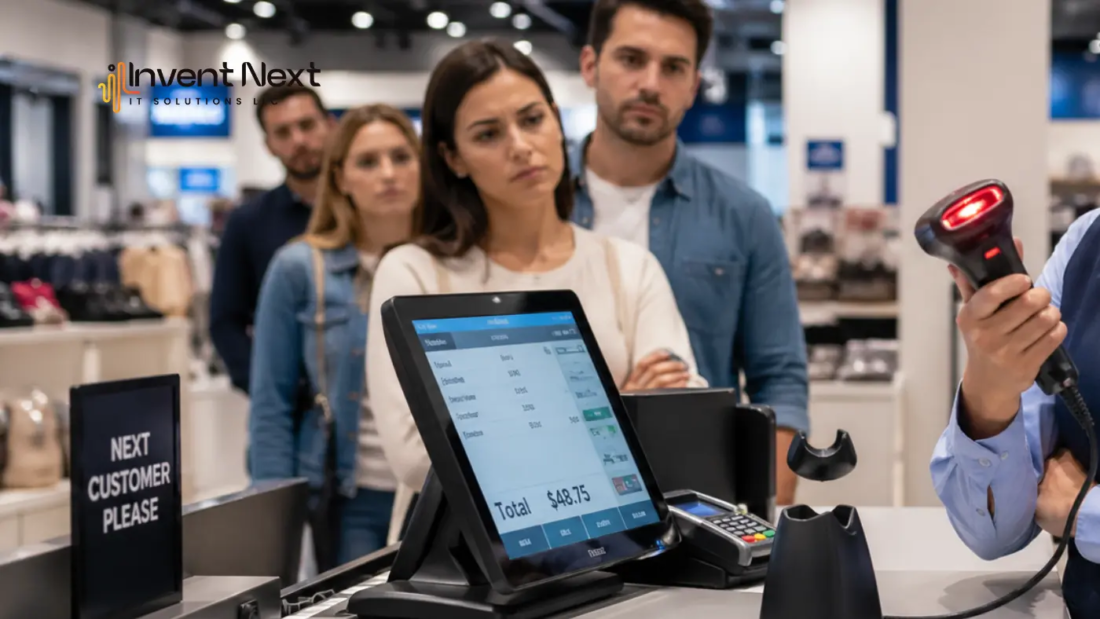
One of the most noticeable problems retailers face without POS software is slow billing. Manual price entry and outdated billing methods increase checkout time. During peak hours, this leads to long queues and frustrated customers. Consequently, some shoppers abandon their purchases.

In a fast-paced retail environment, speed matters. Therefore, retailers without a reliable Retail POS often struggle to meet customer expectations and maintain a positive brand image.

Frequent Billing and Pricing Errors

Manual billing systems increase the chances of incorrect pricing, missed items, and calculation mistakes. Over time, these small errors accumulate and cause revenue loss. Moreover, repeated billing issues can weaken customer trust and damage business credibility.

POS software minimizes these risks by automating pricing, discounts, and tax calculations. As a result, retailers can ensure consistency and transparency across every transaction.

Poor Inventory Control

Another major challenge is inventory management. Without automation, retailers usually update stock levels only at the end of the day. Because of this, staff lack visibility into real-time product availability.

This situation leads to overstocking of slow-moving items or running out of fast-selling products. In competitive retail markets, poor inventory control directly affects sales and increases operating costs.

Lack of Real-Time Business Insights

Retailers operating without POS software often lack clear, data-driven insights. Sales trends, peak hours, and customer buying behavior remain difficult to track when records are scattered or manual. As a result, decision-making becomes reactive rather than strategic.

Access to centralized reporting helps retailers understand performance more clearly. Therefore, data visibility plays a vital role in long-term business planning.

Difficulty Managing Staff and Daily Operations

As a retail business grows, managing staff manually becomes increasingly complex. Tracking shifts, monitoring performance, and ensuring accountability require significant effort. Without digital tools, productivity often suffers.

A structured POS system simplifies these tasks by recording transactions by user. In addition, it helps business owners manage operations with greater control and clarity.

Inefficient Handling of Discounts and Promotions

Retail promotions are common in Dubai, especially during seasonal sales and shopping festivals. However, without POS software, staff often apply discounts manually. This approach can lead to inconsistencies, confusion at checkout, and revenue leakage.

POS systems allow retailers to predefine offers and promotions. As a result, discounts apply accurately across all transactions, ensuring consistency and customer confidence.

Challenges in VAT Compliance and Reporting

VAT compliance is mandatory for businesses in the UAE. Retailers using manual systems often struggle to maintain accurate tax records. Because manual reporting takes time, errors can occur during filings or audits.

Modern POS systems simplify VAT calculations and reporting. Therefore, retailers can remain compliant while reducing administrative effort and risk.

Limited Scalability for Business Growth

Manual systems may support small operations initially. However, they quickly become a limitation as the business expands. Managing higher sales volumes, larger inventories, or multiple branches becomes difficult without centralized control.

A scalable Retail POS system in the UAE supports business growth by maintaining accuracy and efficiency across operations. As a result, retailers can expand without compromising service quality.

Reduced Customer Experience and Loyalty

Ultimately, operational inefficiencies affect the customer experience. Billing delays, stock shortages, and inconsistent pricing reduce satisfaction. In a city like Dubai, where customers have many options, poor service can easily drive them to competitors.

By streamlining operations, POS software enables faster service and better stock availability. Consequently, retailers can build stronger customer trust and long-term loyalty.

Conclusion

Retailers in Dubai who operate without POS software face challenges that limit efficiency, accuracy, and growth. From billing delays and inventory issues to compliance risks and limited visibility, manual systems often hold businesses back. Therefore, adopting a modern POS solution is essential for retailers aiming to remain competitive.

By improving daily operations and supporting smarter decision-making, POS software helps retailers deliver better customer experiences and achieve sustainable success in Dubai’s evolving retail landscape.

warehouse-management-pos-software

What Is Warehouse Management Software? A Beginner’s Guide

In a growing business, the warehouse is more than just a storage space—it is the center of inventory movement, order fulfillment, and operational efficiency. When stock levels increase and order volumes rise, managing everything manually becomes difficult and error-prone. This is where Warehouse Management Software (WMS) plays a crucial role. For beginners, understanding WMS is the first step toward building a more organized and scalable business operation.

Understanding Warehouse Management Software

Warehouse Management Software is a digital system designed to manage and control daily warehouse activities. It helps businesses track inventory from the moment goods arrive until they are dispatched. Instead of relying on spreadsheets or paperwork, WMS provides real-time visibility into stock levels, locations, and movements.

At its core, WMS acts as a central platform that connects inventory data with warehouse processes. It ensures that every product is stored, picked, packed, and shipped accurately. When integrated with trading platforms or Trading software, it also aligns warehouse activities with sales and purchasing operations, creating a smooth and connected business workflow.

How Warehouse Management Software Works

When goods are received, the software records the quantity, product details, and storage location. As items move within the warehouse—whether for internal transfers, picking, or dispatch—the system updates stock levels automatically. This real-time tracking reduces confusion and prevents mismatches between physical stock and records.

Warehouse staff can use the system to locate items quickly, follow optimized picking paths, and complete orders faster. Management teams gain access to dashboards and reports that show inventory status, order progress, and overall warehouse performance.

Key Business Benefits of Using WMS

One of the biggest benefits of warehouse management software is improved inventory accuracy. Real-time updates minimize errors such as overstocking, stock shortages, or misplaced items. This accuracy directly impacts customer satisfaction and reduces operational losses.

Efficiency is another major advantage. By automating routine tasks and organizing workflows, WMS saves time and reduces manual effort. Faster order processing leads to timely deliveries and better service quality.

Warehouse management software also supports better decision-making. Detailed reports on stock movement, order trends, and storage utilization help businesses plan inventory more effectively and reduce unnecessary costs.

Real-World Use Cases

Warehouse management software is widely used by trading companies, distributors, wholesalers, and businesses handling physical goods. For example, a trading business managing multiple products can use WMS to ensure that inventory levels match sales orders in real time. This prevents selling unavailable stock and improves order fulfillment speed.

In growing businesses, WMS supports scalability by handling increased inventory and transaction volumes without disrupting operations. It also works seamlessly with trading systems to connect warehouse activities with billing, purchasing, and financial reporting.

Conclusion

Warehouse Management Software is no longer a complex tool reserved for large enterprises. It has become an essential solution for businesses looking to improve accuracy, efficiency, and control over their inventory. For beginners, adopting WMS is a smart step toward organized operations and long-term growth. When combined with trading software, it creates a powerful system that supports smooth workflows, better decisions, and a stronger foundation for business success.

autogarage-pos-system

How Modern Garage Software Is Transforming Auto Workshop Operations

Auto repair workshops today operate in a fast-paced and highly competitive environment. Customers expect quick service, accurate billing, and clear communication at every stage of vehicle repair. However, managing job cards, spare parts, technicians, and customer records manually often leads to delays, errors, and operational stress. This is why many workshop owners are now turning to garage software in Dubai to modernize their operations and stay competitive.

Centralized Management for Daily Workshop Activities

Modern garage management software brings all workshop operations under one centralized platform. From vehicle check-in to job assignment and final invoicing, every step becomes organized and traceable. Service advisors can create digital job cards within seconds, assign tasks to technicians, and monitor job progress in real time.

This centralized workflow reduces dependency on paperwork and verbal communication, which are common causes of errors. Managers gain better visibility into daily operations, ensuring smoother coordination between front-desk staff and technicians. As a result, workshops experience improved efficiency and faster turnaround times.

Accurate Spare Parts and Inventory Control

Inventory management is one of the biggest challenges in auto workshops. Garages handle hundreds of spare parts, each with varying compatibility, demand, and pricing. Without proper tracking, this often results in missing parts, excess stock, or delayed repairs.

Garage software automates inventory updates whenever spare parts are issued or purchased. Stock levels remain accurate in real time, helping workshops avoid service delays and unnecessary overstocking. This level of control allows businesses to plan purchases better and reduce inventory-related losses.

Streamlined Billing and Financial Transparency

Billing errors can damage customer trust and affect business reputation. With garage software, billing and payment processes become seamless and transparent. Invoices are generated instantly with detailed breakdowns of labor, spare parts, and taxes.

Integrated reporting tools help workshop owners track daily revenue, service profitability, and technician performance without manual calculations. This financial clarity supports better decision-making and long-term planning.

Enhanced Customer Experience and Retention

Customer satisfaction improves significantly when workshops adopt digital systems. Complete service histories are stored securely, enabling quicker diagnosis and more personalized service. Customers appreciate clear invoices, timely updates, and consistent service quality.

Automated service reminders and follow-ups help workshops stay connected with customers even after the repair is complete. These small touches build trust, encourage repeat visits, and strengthen long-term customer relationships.

Building a Scalable and Future-Ready Workshop

As workshops grow, managing operations manually becomes increasingly difficult. Implementing garage software in Dubai creates a strong foundation for scalability. Whether it’s handling more vehicles, hiring additional technicians, or expanding to multiple locations, digital systems support growth without operational chaos.

By embracing modern garage software, auto workshops gain better control, reduce operational stress, and position themselves for sustainable success in an evolving automotive market.

pos-software-in-uae

Retail POS System: Transforming Retail and Supermarket Operations

Retail and supermarket businesses in Dubai operate in a highly competitive and fast-paced market. Customers expect quick checkouts, accurate pricing, and consistent product availability. Managing billing, inventory, and customer data manually often leads to errors, delays, and revenue loss. This is why many businesses are now adopting a retail POS system Dubai to streamline operations and improve overall efficiency.

Modern POS solutions go beyond billing. They act as complete business management tools that help retailers and supermarkets stay organized, scalable, and customer-focused.

Why Retail Businesses in Dubai Need a Retail POS System

Retail stores handle multiple daily tasks such as sales processing, stock updates, promotions, and reporting. With real-time sales tracking and automated inventory updates, retailers gain full control over their operations. Pricing errors are reduced, billing becomes faster, and staff productivity improves. Retail software also helps store owners monitor performance and make informed business decisions based on accurate data.

POS for Supermarket : Managing High-Volume Sales Efficiently

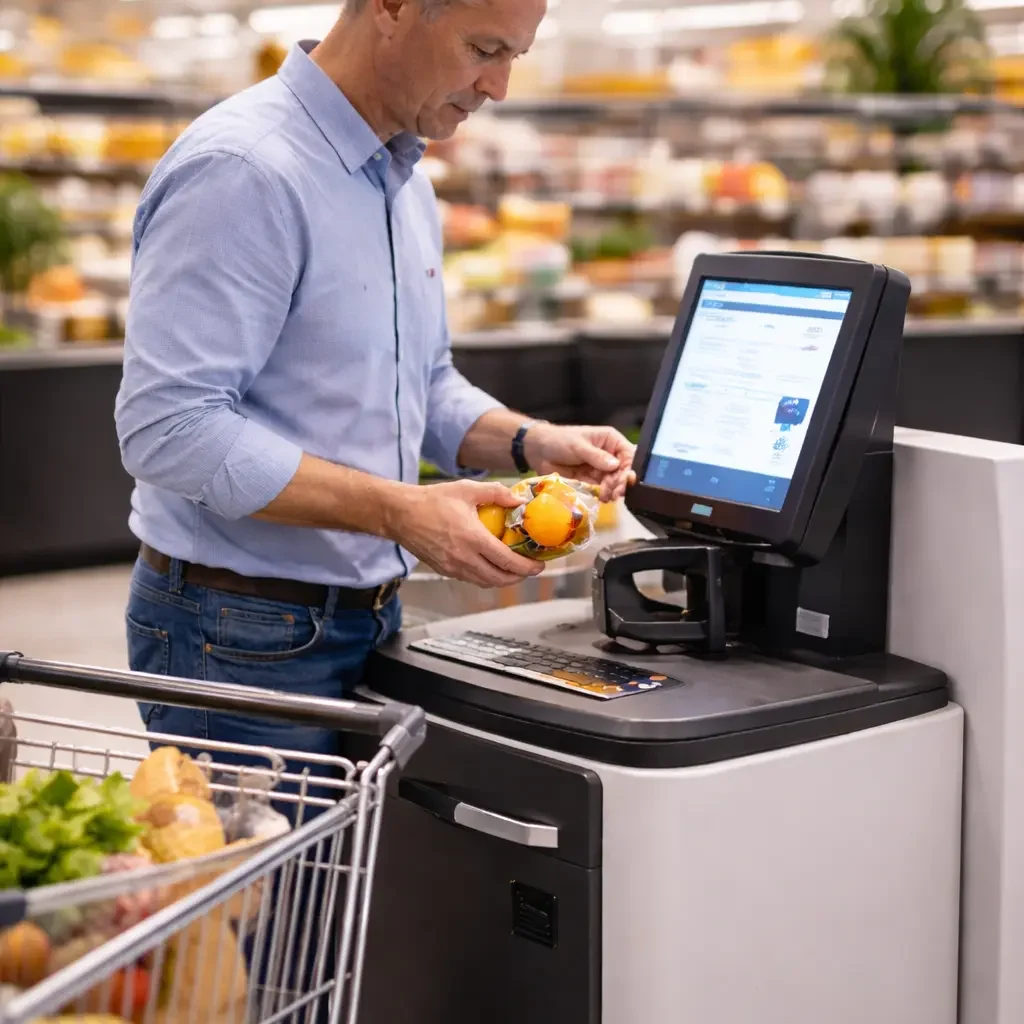
Supermarkets face unique challenges due to high customer footfall and large product volumes. Manual processes slow down checkout and increase the risk of inventory mismatches. This is where POS software for supermarket UAE becomes essential.

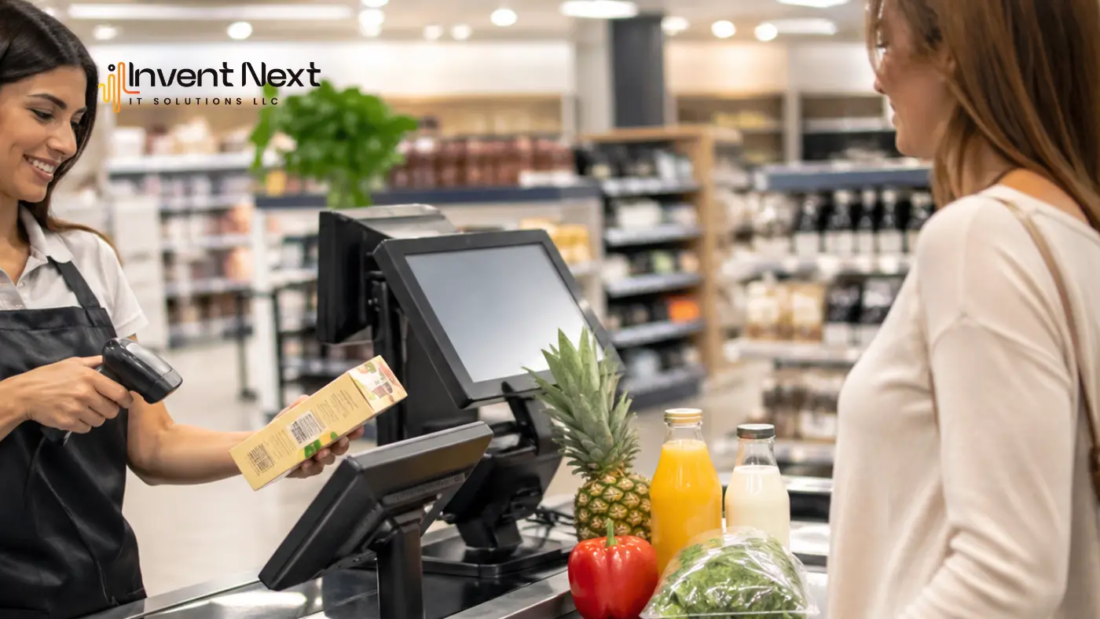
Supermarket POS systems support barcode scanning, weighing scale integration, and fast billing. Each transaction updates inventory instantly, ensuring accurate stock levels at all times. This allows supermarkets to manage fast-moving and slow-moving items efficiently while maintaining smooth customer flow at billing counters.

Accurate Inventory Control

Inventory accuracy directly impacts supermarket profitability. Provides real-time visibility into stock movement, expiry dates, batch numbers, and supplier details.

Automated low-stock alerts help managers reorder products on time, preventing shortages or excess inventory. Detailed reports highlight best-selling products and inventory aging, enabling smarter purchasing decisions and reduced wastage.

How Retail Software in Dubai Improves Customer Experience

Customer experience is a key differentiator in retail. Long queues, incorrect pricing, or payment issues can quickly lead to dissatisfaction. A modern retail software in Dubai ensures faster checkouts, accurate billing, and multiple payment options.

POS systems also support customer data tracking, enabling loyalty programs and personalized offers. These features help retailers build stronger customer relationships and increase repeat visits.

Scalable Retail POS Systems for Growing Businesses in UAE

As businesses expand, their systems must scale without complexity. POS solutions designed for retail and supermarkets support multi-branch operations, centralized reporting, and cloud-based access.

Business owners can manage multiple outlets, monitor performance remotely, and maintain consistent pricing and inventory control across locations. This makes POS software a long-term investment that grows with the business.

Conclusion

Whether running a retail store or a large supermarket, adopting the right POS solution is critical for success. A modern retail POS system Dubai, combined with POS software for supermarket UAE, helps businesses improve billing accuracy, inventory control, customer experience, and operational efficiency.

In a competitive market like Dubai, investing in advanced POS software is not just an upgrade—it’s a strategic move toward sustainable growth.

autogarage-pos-software-in-uae

How Automobile Spare Parts Software Improves Accuracy and Profitability

Managing spare parts is one of the most complex responsibilities in an auto workshop or spare parts business. With hundreds or even thousands of components—each with different compatibility, pricing, and movement rates—manual tracking often results in costly errors. This is where automobile spare parts software becomes an essential solution for improving operational accuracy and long-term profitability.

Eliminating Inventory Errors with Real-Time Tracking

Inventory inaccuracies are a silent drain on profits. Missing parts, duplicate stock entries, and outdated records lead to service delays, lost sales, and frustrated customers. Automobile spare parts software provides real-time inventory tracking, ensuring every part is accurately recorded the moment it is received, issued, or returned.

Automated stock updates give businesses complete visibility into available inventory. This prevents situations where technicians wait for parts that appear available on paper but are physically unavailable. Accurate inventory data results in smoother workflows, fewer interruptions, and improved service efficiency.

Smarter Stock Control and Reduced Holding Costs

Maintaining the right inventory balance is critical for profitability. Overstocking ties up working capital, while understocking leads to missed repair opportunities. Spare parts inventory management software helps businesses track fast-moving, slow-moving, and non-moving items with precision.

Automated low-stock alerts notify managers when parts reach minimum levels, allowing timely reordering without excess purchasing. This reduces storage costs, avoids part obsolescence, and ensures essential components are always available when needed.

Improved Billing Accuracy and Revenue Protection

Billing errors can directly impact revenue and customer trust. Automobile spare parts software integrates inventory with billing systems, ensuring that every issued part is automatically reflected in invoices.

With detailed, line-item billing, customers gain complete transparency into parts and service charges. This accuracy prevents revenue leakage, reduces disputes, and ensures businesses capture the full value of every repair and service.

Efficient Supplier and Purchase Management

Managing multiple suppliers manually often results in inconsistent pricing and missed cost-saving opportunities. Spare parts software centralizes supplier data, purchase histories, and pricing information in one system.

This allows businesses to compare suppliers, analyze purchase trends, and negotiate better pricing. Improved supplier management directly contributes to better cost control and higher profit margins.

Data-Driven Decisions for Sustainable Growth

One of the biggest advantages of automobile spare parts software is access to meaningful, real-time reports. Business owners can analyze part usage, identify high-profit items, monitor inventory aging, and understand seasonal demand patterns.

These insights support smarter purchasing decisions, optimized pricing strategies, and efficient inventory planning. When decisions are backed by accurate data, businesses can scale with confidence rather than guesswork.

Boosting Operational Efficiency and Customer Satisfaction

When spare parts are available, accurately billed, and delivered on time, overall service quality improves significantly. Faster repairs, transparent billing, and reliable service processes lead to higher customer satisfaction and repeat business.

By implementing automobile spare parts software, businesses not only improve accuracy but also build a strong digital foundation for sustainable profitability in a competitive automotive market.

supermarket-pos

Why Every Supermarket Needs Dedicated POS Software

Supermarkets operate in a fast-paced environment where speed, accuracy, and inventory control directly impact customer satisfaction and profitability. Managing thousands of products, daily high-volume transactions, and frequent stock movement using manual or generic billing systems often leads to errors and inefficiencies. This is why every supermarket today needs POS software operations.

Dedicated supermarket POS systems are designed specifically to handle the complexity of supermarket workflows, making daily operations smoother and more reliable.

POS Software for Supermarket Improves Billing Speed and Accuracy

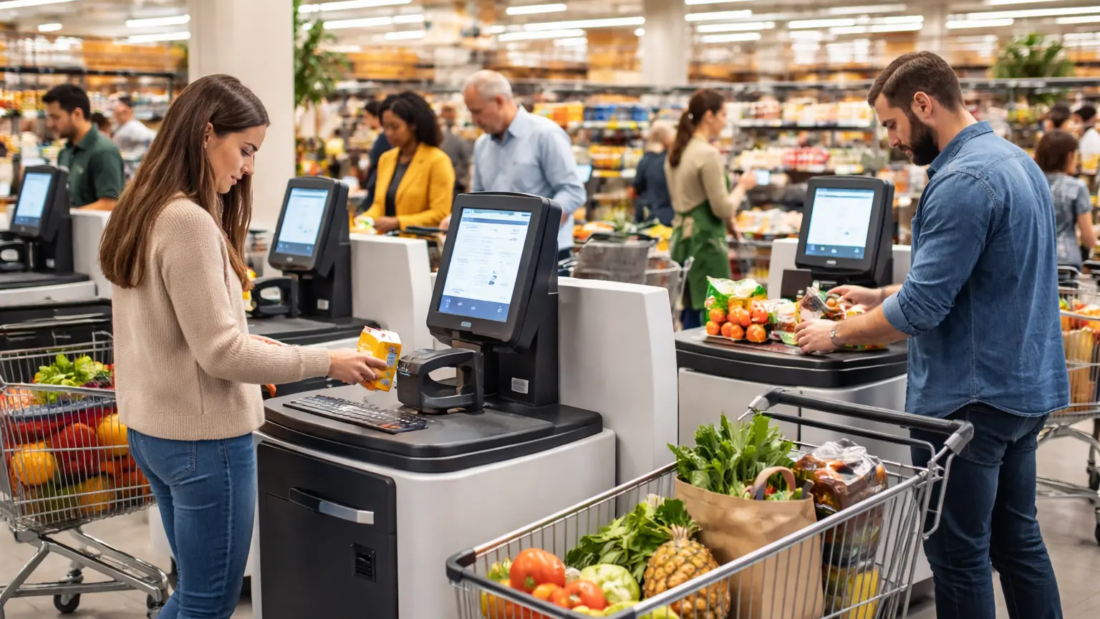
Long queues at checkout counters are one of the biggest challenges supermarkets face. Dedicated POS software for supermarket enables fast billing through barcode scanning, weighing scale integration, and automated price calculations.

Each transaction is processed quickly and accurately, reducing billing errors and improving customer experience. Faster checkouts mean higher customer satisfaction and better footfall management during peak hours.

Better Inventory Control with Supermarket POS Software

Inventory accuracy is critical in supermarket operations. Supermarkets deal with fast-moving, slow-moving, and perishable products daily. Manual stock tracking often results in mismatches between physical stock and system records.

POS software updates inventory in real time whenever a product is sold, returned, or received. This allows store managers to monitor stock levels accurately, avoid shortages, and reduce overstocking. Automated alerts help ensure timely reordering and prevent loss of sales due to unavailable products.

Reduced Stock Loss and Expiry Management

Stock loss due to expiry, theft, or mismanagement can significantly affect supermarket profitability. Dedicated POS systems help track batch numbers, expiry dates, and product movement in detail.

By using POS software for supermarket, businesses gain visibility into inventory aging and can take action before products expire. This reduces wastage and improves overall inventory efficiency.

Actionable Reports for Smarter Decision-Making

POS software provides detailed reports on sales trends, best-selling products, peak shopping hours, and inventory performance. Instead of relying on assumptions, supermarket owners can make data-driven decisions.

These insights help optimize pricing strategies, plan promotions, and improve purchasing decisions. With real-time data, supermarkets can respond quickly to changing customer demand.

Improved Customer Experience and Payment Flexibility

Modern customers expect convenience and multiple payment options. Dedicated POS systems support cash, card, digital wallets, and contactless payments, ensuring smooth transactions.

Accurate billing, faster checkouts, and consistent pricing improve customer trust. When combined with loyalty programs and customer data tracking, supermarket POS software helps increase repeat visits and customer retention.

Scalable POS Software for Growing Supermarkets

As supermarkets expand to multiple branches, managing operations manually becomes impossible. POS software supports multi-store management, centralized pricing, and unified reporting.

This scalability ensures consistent operations across locations and gives owners complete control, even as the business grows.

Conclusion

A supermarket’s success depends on speed, accuracy, and inventory control. Dedicated POS software for supermarket operations helps streamline billing, improve inventory accuracy, reduce losses, and enhance customer experience.

Point of sale software in Dubai

Choose Best Point of Sale Software in Dubai for Your Business

Choosing the best point of sale software Dubai businesses can rely on is not always simple. Different business sizes—small shops, cafés, boutiques, medium-sized retail stores, and large enterprise chains—have very different needs, budgets, and operational challenges. Selecting the right system requires understanding what features matter most for your business size, how your store operates, and how future-ready your POS needs to be.

In this guide, we break down the best way to choose a POS system in Dubai based on business size, scalability, compliance requirements, and market expectations. Whether you run a small store or a large chain, this article will help you make an informed decision using the right selection criteria.

Why Business Size Matters When Choosing Pont of Sale Software

While most POS systems look similar on the surface, their functionality and architecture vary greatly once implemented. Dubai is home to thousands of retail, F&B, and service-based businesses, each with unique operational needs. A small café may only need simple billing and inventory, whereas a multi-branch retailer requires advanced analytics, ERP integration, and centralized reporting.

Choosing the right point of sale software Dubai offers can help you:

  • Improve billing speed and reduce queues
  • Track inventory accurately
  • Minimize manual errors
  • Automate financial reporting
  • Manage customer loyalty and promotions
  • Support business growth without switching systems

This is why understanding your business size and operational complexity is the first step in selecting the perfect POS.

POS Software Requirements for Small Businesses

Small businesses in Dubai—such as boutiques, mini supermarkets, specialty stores, salons, and cafés—need a POS system that is affordable, easy to set up, and simple enough for new staff to learn quickly.

Key Features Small Businesses Should Look For

1. User-Friendly Interface

Small businesses often hire part-time or frequently rotating staff. The POS should be intuitive and require minimal training.

2. Essential Inventory Tracking

While small stores don’t handle complex stock operations, they still need item tracking, low stock alerts, and simple reordering features.

3. Fast Billing and Checkout

A quick checkout process helps avoid long queues during rush hours.

4. Basic Reporting

Sales summaries, daily revenue, top-selling items, and profit insights allow owners to track performance.

5. Affordable Pricing Plans

Subscription-based POS solutions are ideal for small businesses to avoid heavy upfront investment.

6. Cloud Access

Owners can check sales from anywhere—mobile, tablet, or laptop.

7. Local UAE VAT Support

Dubai’s VAT rules require accurate invoicing and reporting.

A small business doesn’t require enterprise-grade complexity, so choosing flexible point of sale software Dubai providers that offer lightweight modules is the smartest decision. This ensures smooth daily operations without overwhelming the staff.

POS Software Requirements for Medium-Sized Businesses

Medium-sized businesses—such as multi-department stores, mid-level fashion retailers, hardware stores, cafés with multiple branches, and restaurant chains—operate at a more complex level. Their POS systems must manage multiple moving parts and support business expansion.

Key Features Medium-Sized Businesses Need

1. Multi-Store Management

A central dashboard to monitor multiple locations, track stock movement, and compare performance.

2. More Advanced Inventory Tools

Such as variant management, stock transfers, purchase orders, and supplier management.

3. CRM and Loyalty Programs

Medium-sized brands depend strongly on repeat customers. POS-based loyalty helps drive retention.

4. Customizable Reports and Analytics

Business owners need insights on category performance, seasonal demand, and branch-wise sales.

5. Employee Management Tools

Track shifts, role-based permissions, and staff performance.

6. Omnichannel Integration

Medium retailers often run both physical and online stores. POS should sync online and in-store inventory.

7. Scalable Architecture

The POS should grow with the business without requiring migration to another platform.

Choosing a scalable point of sale software Dubai retailers can upgrade over time ensures medium-sized businesses stay future-ready and operationally efficient.

POS Software Requirements for Large Enterprise Businesses

Large businesses—supermarket chains, large retail groups, luxury brands, hypermarkets, pharmacies, and multi-chain restaurants—operate at an enterprise level. They require highly advanced POS capabilities and customized integrations.

Key Features Large Enterprises Must Have

1. Real-Time Centralized Control

Enterprises need a single interface for managing pricing, promotions, inventory, and operations across many branches.

2. Advanced Inventory With Automated Forecasting

Predictive analytics help reduce stockouts and optimize replenishment.

3. ERP Integration

Seamless connectivity with SAP, Oracle, Microsoft Dynamics, or other enterprise systems.

4. High-Level Data Security and Permissions

Role-based restrictions, audit logs, and strong encryption.

5. Custom Integrations

Loyalty integrations, e-commerce, payment gateways, accounting software, or custom APIs

6. Offline Mode Support

Enterprises cannot afford downtime. POS should process sales even without internet.

7. Tailored Dashboards and Business Intelligence

Enterprise dashboards help strategists make data-driven decisions.

Large organizations typically require strong customization. A robust, enterprise-ready point of sale software Dubai companies prefer must be flexible enough to match their internal workflow, security, and reporting requirements.

How to Decide Which POS System Is Right for You

Regardless of your business size, a few universal factors matter:

1. Understand Your Business Workflow

Map out your daily operations—from stock management to checkout—to see what features are essential.

2. Check UAE-Specific Requirements

Your POS should support VAT invoicing, Arabic/English languages, and local payment methods like Apple Pay, Google Pay, and card terminals widely used in Dubai.

3. Choose Scalable Solutions

A POS should grow as your business expands. Always choose a system that offers flexible upgrades.

4. Evaluate Customer Support in Dubai

Local support ensures immediate help with technical issues, installations, hardware upgrades, and onsite visits.

5. Look for Customization Options

Custom modules or workflows help fine-tune operations—important for medium and enterprise businesses.

5. Look for Customization Options

Custom modules or workflows help fine-tune operations—important for medium and enterprise businesses.

6. Consider Cost vs. Value

Avoid choosing only by price. Focus on long-term value: automation, customer retention, efficiency, and business growth.

Why Choosing the Right POS Provider in Dubai Matters

Dubai’s business environment moves fast, competitive trends shift quickly, and customer expectations demand speed and accuracy. A reliable POS system becomes the center of your operational efficiency.

The right point of sale software Dubai providers offer:

  • Modern cloud technology
  • VAT-compliant billing
  • Real-time inventory tracking
  • Secure payment processing
  • Reliable uptime
  • Scalable modules

Your POS becomes more than just a billing system—it becomes a business intelligence tool.

Future Trends in POS Software Dubai Businesses Should Watch

Dubai is rapidly embracing digital transformation, and the future of POS systems is evolving just as fast. Businesses are moving toward AI-driven inventory forecasting, seamless omnichannel retailing, mobile POS devices, cloud-based management, and fully integrated loyalty systems. Contactless payments such as Apple Pay, Google Pay, and QR-based transactions are also becoming standard across the UAE.

At Invent Next, we help businesses stay ahead of these trends by offering modern, scalable POS solutions designed for Dubai’s fast-changing retail and F&B landscape. Our technology ensures your business remains future-ready, efficient, and competitive

Maintenance Software for Garage Workshops

Predictive Maintenance Software for Garage Workshops in the UAE

Predictive Maintenance Software for Garage Workshops in the UAE & Gulf Region

The automotive service industry in the UAE and wider Gulf region is evolving rapidly. With growing vehicle ownership, increasing customer expectations, and pressure on garage workshops to deliver faster, more accurate repairs, the need for advanced digital tools is stronger than ever. Traditional POS billing systems no longer support the complexity of modern workshops. Today, the real competitiveness comes from Predictive Maintenance Software for Garage Workshops, which empowers service centers to anticipate issues, optimize job scheduling, improve operational efficiency, and reduce downtime.

This blog explores how predictive analytics, job-card data, IoT connectivity, and workflow automation are reshaping garage operations in the UAE. It also explains why predictive technologies provide a long-term strategic advantage to automotive businesses in Dubai, Abu Dhabi, Sharjah, and other Gulf markets.

Why the UAE Garage Industry Needs Predictive Maintenance

The UAE has become a leading automotive hub in the Middle East. Cities like Dubai and Abu Dhabi have high volumes of luxury cars, fleet vehicles, taxis, and commercial transport relying on regular service. However, many workshops still depend on manual diagnostics, reactive maintenance, and outdated billing-only software.

This is where Predictive Maintenance Software for Garage Workshops becomes a game-changer. Instead of waiting for breakdowns, workshops use data-driven insights to detect early symptoms of mechanical issues and address them before they lead to major repairs or customer complaints.

Why Traditional POS Systems Are Not Enough

A basic POS system is limited to billing, estimating, and generating invoices. While useful, it does not assist in diagnosis, maintenance planning, or performance monitoring. Modern garages need more than just invoices—they need automation, analytics, and predictive capabilities.

Challenges with traditional systems include:

  • No integration with diagnostic tools
  • No forecasting or predictive insights
  • Lack of maintenance history analysis
  • Manual job-card updates
  • Inaccurate spare-parts forecasting
  • Difficulty managing workflow and technician performance

The UAE’s automotive market is highly competitive, and workshops that fail to adopt digital tools risk falling behind. This has accelerated the adoption of solutions such as Predictive Maintenance Software for Garage Workshops, which connects data, devices, and operations.

How Predictive Maintenance Works in Garage Workshops

Predictive maintenance depends on data analytics, machine learning, and connected systems. Even without advanced IoT sensors in every vehicle, workshops generate valuable data from daily operations, including:

  • Job cards
  • Odometer readings
  • Date of previous services
  • Customer complaints
  • Diagnostic reports
  • Spare parts replaced
  • Technician notes
  • Warranty records

Using this data, Predictive Maintenance Software for Garage Workshops identifies patterns that indicate when a part is likely to fail. For example:

  • Brake pads that typically wear out within a certain mileage
  • Battery performance that declines after specific usage patterns
  • AC system issues common during UAE summers
  • Engine misfire occurrences across certain car makes
  • Suspension wear in vehicles used on rough terrains

The software then alerts the workshop team so customers can be notified ahead of time, creating trust and long-term loyalty.

Role of IoT and Connected Car Technology in Predictive Maintenance

In the Gulf region, IoT-enabled fleet vehicles and luxury cars already transmit diagnostic data to service centers. Workshops equipped with smart systems can receive:

  • Real-time engine alerts
  • Fluid level notifications
  • Battery health updates
  • Sensor malfunction flags
  • Tyre pressure data
  • ECU error codes

Even for non-connected vehicles, diagnostic scanners can sync with workshop software to upload fault codes automatically. When combined with the intelligence of Predictive Maintenance Software for Garage Workshops, the system becomes highly accurate at forecasting failures.

Benefits of Predictive Maintenance for UAE & GCC Workshops

1. Reduced Vehicle Downtime

Customers in the UAE value speed and efficiency. Forecasting issues means:

  • Faster repairs
  • Fewer emergency breakdowns
  • Better customer satisfaction

2. Increased Revenue

Predicting repairs leads to:

  • Additional service opportunities
  • Higher customer retention
  • Better upselling of needed parts

3. Optimized Spare Parts Inventory

A common challenge in Gulf garages is stocking expensive parts unnecessarily. Predictive tools solve this by:

  • Forecasting part demand
  • Reducing dead stock
  • Improving inventory turnover

4. Better Technician Performance

With automated diagnosis and alerts:

  • Technicians spend less time troubleshooting
  • Workflow becomes more organized
  • Job allocation becomes smarter

5. Enhanced Customer Experience

AI-driven alerts allow workshops to contact customers BEFORE issues escalate. This builds trust and long-term loyalty.

Why Predictive Maintenance Is the Future of Gulf Region Workshops

The Gulf’s automotive sector is projected to grow significantly over the next decade, with more electric vehicles, luxury cars, and smart fleets entering the market. Workshops in Dubai, Abu Dhabi, Doha, and Riyadh must adapt to:

  • Higher technical complexity
  • Digital-first customer expectations
  • Increased competition
  • Rising demand for faster services

This shift confirms that adopting Predictive Maintenance Software for Garage Workshops is no longer optional — it is a strategic necessity.

The Future of Garage Workshops in the UAE Is Predictive & Data-Driven

The UAE’s automotive service industry is rapidly transitioning into a data-driven, tech-enabled ecosystem where predictive analytics, automation, and cloud solutions define business success. Workshops that continue relying only on manual diagnostics or basic billing tools will struggle to compete in this new landscape.

By adopting Predictive Maintenance Software for Garage Workshops, businesses can drastically reduce downtime, improve customer loyalty, optimise inventory, and increase long-term profitability. Predictive systems allow garages to work smarter—not harder—by forecasting issues before they occur, enhancing technician efficiency, and delivering a superior customer experience.

InventNext supports this transformation by providing advanced, innovative garage management and predictive maintenance solutions tailored to the UAE and Gulf region. With our robust digital ecosystem, workshops gain powerful tools to automate operations, analyse job-card data, and deliver faster, smarter, more reliable services.

As the automotive sector continues to evolve, partnering with technology experts like InventNext ensures that your workshop stays competitive, future-ready, and aligned with the highest industry standards in the UAE