
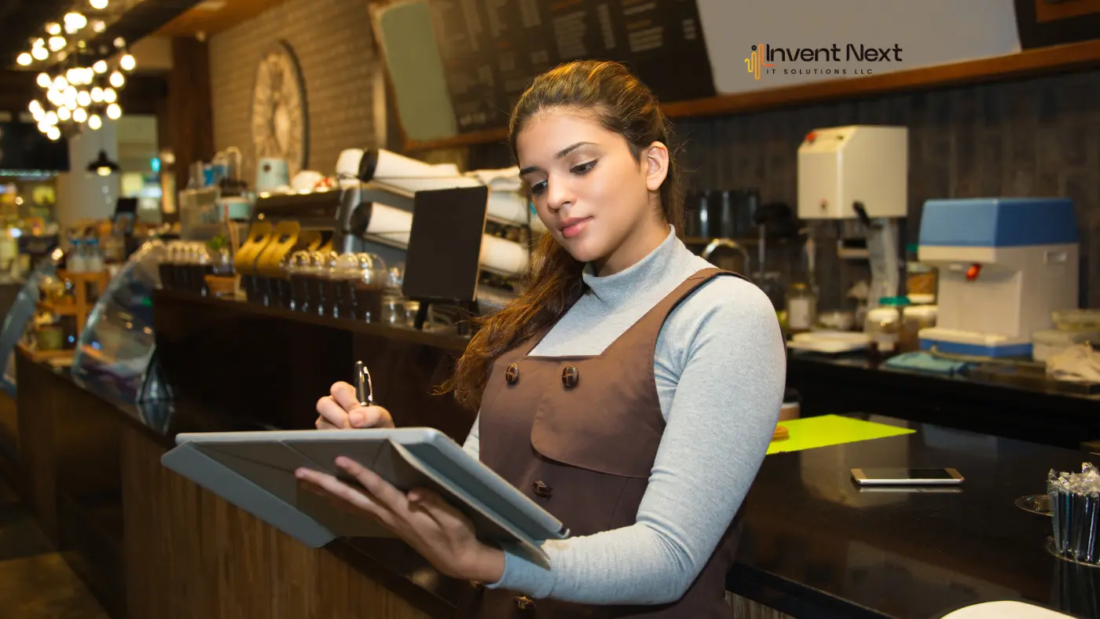
The dinner rush is at its peak. Orders are coming in quickly, the kitchen is under pressure, and customers expect fast, accurate service. A single mistake—an incorrect order, a delayed bill, or a missing item—can slow everything down. Over time, these small disruptions affect customer satisfaction, staff confidence, and overall profitability. Many restaurants face these challenges daily without realizing that the real issue lies in outdated or inefficient systems. Choosing the right POS restaurant software is not just a technical decision; it is a strategic move that shapes how smoothly a restaurant operates.
Today, POS software is no longer limited to billing. It acts as the operational backbone of a restaurant, connecting orders, inventory, staff actions, and performance insights into one structured system.
Understanding Your Restaurant’s Operational Needs
Every restaurant functions differently. Some focus on fast service and high turnover, while others prioritize dine-in experience and table management. Before selecting a POS solution, it is essential to understand how your restaurant works during peak hours, how orders move from front to kitchen, and where delays usually occur.
A practical POS system adapts to real workflows rather than forcing staff to change how they work. When the software matches daily operations, staff adoption becomes easier and efficiency improves naturally.
Improving Order Accuracy and Speed
Order accuracy is critical in the restaurant business. Incorrect orders lead to food waste, customer complaints, and service delays. A well-designed POS system reduces these risks by capturing orders digitally and sending them directly to the kitchen without manual rewriting or verbal communication.
Speed also matters. Faster order processing shortens waiting times and improves table turnover. During busy service hours, this efficiency directly impacts revenue and customer experience.
Managing Inventory and Food Costs Effectively
Food cost control is one of the biggest challenges for restaurant owners. Without accurate tracking, over-ordering, wastage, and stock shortages become common problems. POS restaurant software links sales data with inventory usage, giving real-time visibility into stock levels.
This connection allows restaurants to track ingredient consumption automatically as items are sold. Over time, owners gain better insight into usage patterns, helping them reduce waste, plan purchases more accurately, and protect profit margins.
Supporting Staff Productivity and Accountability
Restaurant operations depend heavily on teamwork. A good POS system supports staff by simplifying tasks rather than adding complexity. Clear screens, logical workflows, and quick access to functions reduce training time and service errors.
Role-based access ensures that staff members perform only actions relevant to their responsibilities. Every transaction, adjustment, or override is recorded automatically. This transparency improves accountability and reduces mistakes without creating unnecessary pressure on employees.
Consistent Customer Experience Across Operations
Customers may never see the POS system, but they experience its results. Faster billing, accurate orders, and smoother service create a positive dining experience. When customers receive what they ordered without delays, trust builds naturally.
For restaurants managing multiple locations, solutions such as Restaurant Pos Abu Dhabi help maintain consistent service standards across branches. Uniform workflows and centralized reporting ensure that customers receive the same quality experience regardless of where they dine.
Choosing Software That Supports Growth
Many restaurants start small but plan to grow over time. Selecting POS software that can scale with business expansion is essential. A flexible system allows restaurants to add more terminals, service styles, or locations without replacing the entire setup.
Solutions like Restaurant Pos software Dubai support growth by offering centralized management, performance tracking, and operational consistency as the business expands.
Turning Sales Data Into Better Decisions
Modern POS systems generate valuable insights that go beyond daily billing. Sales reports highlight popular dishes, slow-moving items, peak service hours, and staff performance. These insights help owners make informed decisions about menu changes, pricing strategies, staffing levels, and promotions.
When data is presented clearly and updated in real time, it becomes a powerful management tool rather than a complex report that goes unused.
Reliability and Long-Term Usability
A POS system must perform reliably during busy hours. System downtime can disrupt operations and damage customer trust. Choosing stable, well-supported software ensures business continuity and reduces operational risk.
Long-term usability is equally important. Restaurants benefit most from systems that are easy to update, maintain, and support as operational needs evolve. A reliable Point of sale software Dubai solution ensures consistent performance without frequent replacements or retraining.
Integrating Sales and Operations Seamlessly
Restaurants operate more efficiently when sales, inventory, and reporting work together. A modern point of sale system in the UAE connects these elements into a single platform, reducing data gaps and improving accuracy across operations.
This integration ensures that management always has access to accurate information, supporting faster decisions and better operational control.
Conclusion
Choosing the right POS restaurant software is a decision that affects every aspect of restaurant operations. The best pos restaurant software in Dubai improves order accuracy, controls food costs, supports staff efficiency, and enhances customer experience. It provides the structure and visibility needed to manage daily challenges while supporting long-term growth.
Rather than focusing only on features, restaurant owners should evaluate how well the system fits real-world workflows and business goals. A practical POS solution does more than process transactions—it becomes the foundation for smoother operations, smarter decisions, and sustainable restaurant success.