Point of sale software in Dubai

Choose Best Point of Sale Software in Dubai for Your Business

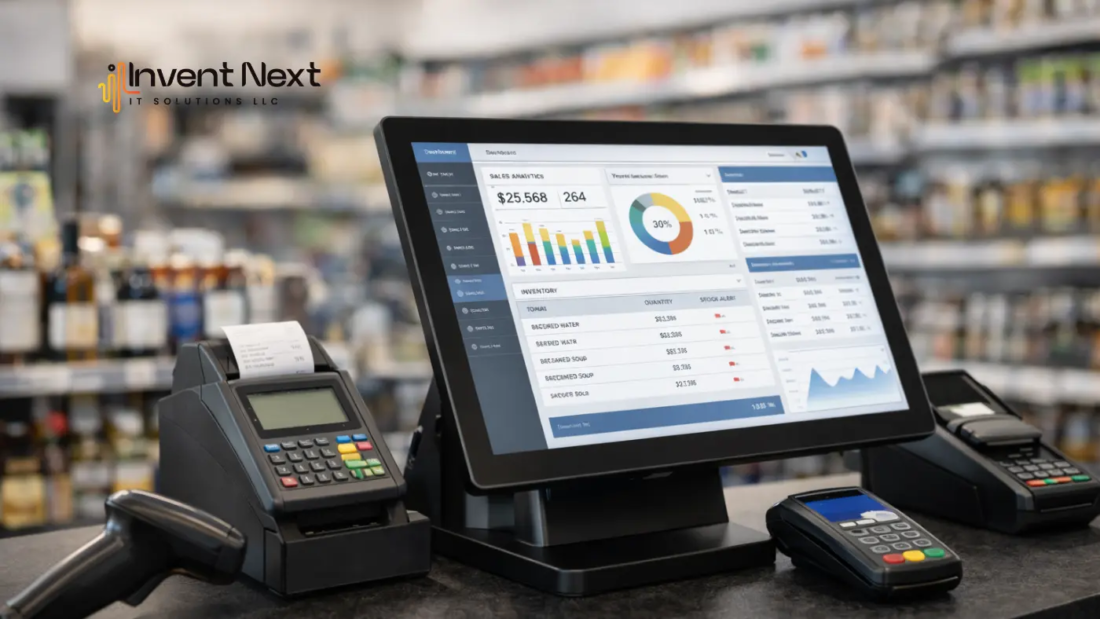
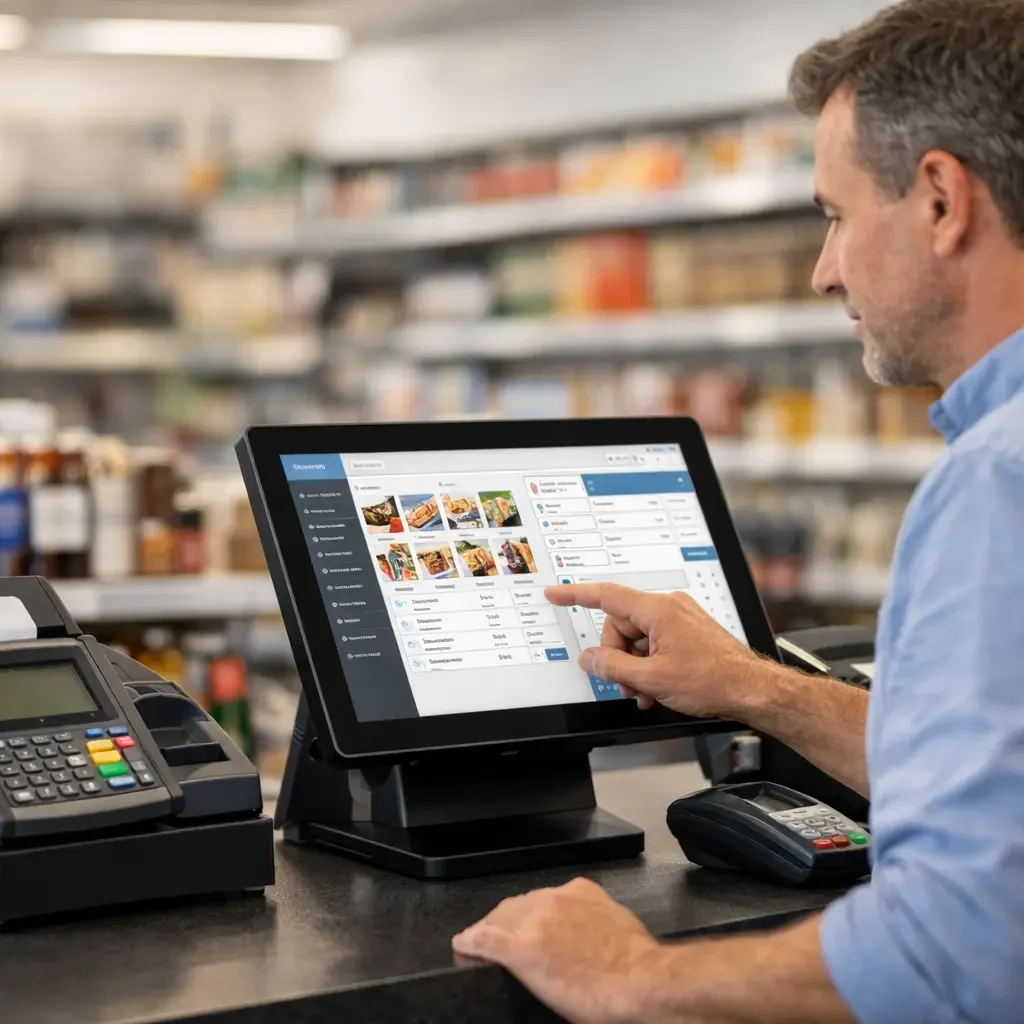
Choosing the best point of sale software Dubai businesses can rely on is not always simple. Different business sizes—small shops, cafés, boutiques, medium-sized retail stores, and large enterprise chains—have very different needs, budgets, and operational challenges. Selecting the right system requires understanding what features matter most for your business size, how your store operates, and how future-ready your POS needs to be.

In this guide, we break down the best way to choose a POS system in Dubai based on business size, scalability, compliance requirements, and market expectations. Whether you run a small store or a large chain, this article will help you make an informed decision using the right selection criteria.

Why Business Size Matters When Choosing Pont of Sale Software

While most POS systems look similar on the surface, their functionality and architecture vary greatly once implemented. Dubai is home to thousands of retail, F&B, and service-based businesses, each with unique operational needs. A small café may only need simple billing and inventory, whereas a multi-branch retailer requires advanced analytics, ERP integration, and centralized reporting.

Choosing the right point of sale software Dubai offers can help you:

  • Improve billing speed and reduce queues
  • Track inventory accurately
  • Minimize manual errors
  • Automate financial reporting
  • Manage customer loyalty and promotions
  • Support business growth without switching systems

This is why understanding your business size and operational complexity is the first step in selecting the perfect POS.

POS Software Requirements for Small Businesses

Small businesses in Dubai—such as boutiques, mini supermarkets, specialty stores, salons, and cafés—need a POS system that is affordable, easy to set up, and simple enough for new staff to learn quickly.

Key Features Small Businesses Should Look For

1. User-Friendly Interface

Small businesses often hire part-time or frequently rotating staff. The POS should be intuitive and require minimal training.

2. Essential Inventory Tracking

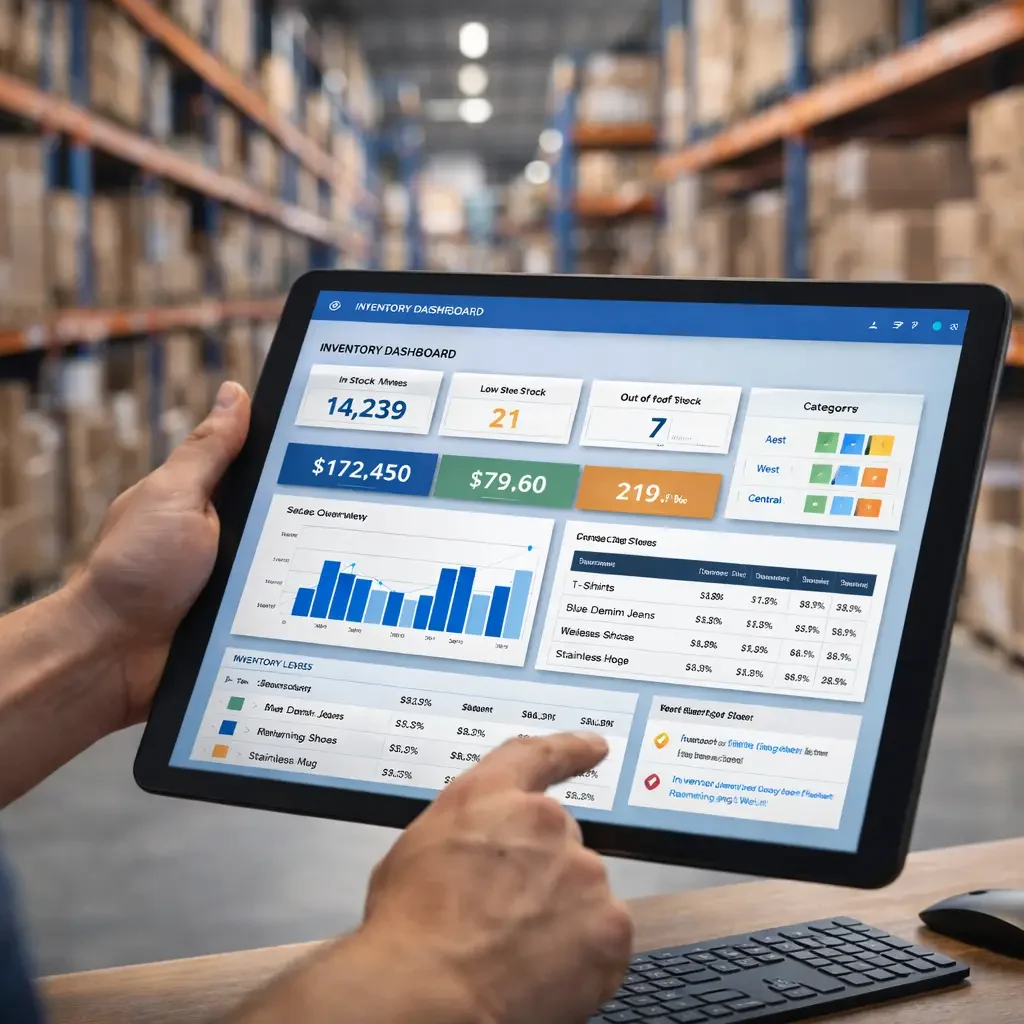
While small stores don’t handle complex stock operations, they still need item tracking, low stock alerts, and simple reordering features.

3. Fast Billing and Checkout

A quick checkout process helps avoid long queues during rush hours.

4. Basic Reporting

Sales summaries, daily revenue, top-selling items, and profit insights allow owners to track performance.

5. Affordable Pricing Plans

Subscription-based POS solutions are ideal for small businesses to avoid heavy upfront investment.

6. Cloud Access

Owners can check sales from anywhere—mobile, tablet, or laptop.

7. Local UAE VAT Support

Dubai’s VAT rules require accurate invoicing and reporting.

A small business doesn’t require enterprise-grade complexity, so choosing flexible point of sale software Dubai providers that offer lightweight modules is the smartest decision. This ensures smooth daily operations without overwhelming the staff.

POS Software Requirements for Medium-Sized Businesses

Medium-sized businesses—such as multi-department stores, mid-level fashion retailers, hardware stores, cafés with multiple branches, and restaurant chains—operate at a more complex level. Their POS systems must manage multiple moving parts and support business expansion.

Key Features Medium-Sized Businesses Need

1. Multi-Store Management

A central dashboard to monitor multiple locations, track stock movement, and compare performance.

2. More Advanced Inventory Tools

Such as variant management, stock transfers, purchase orders, and supplier management.

3. CRM and Loyalty Programs

Medium-sized brands depend strongly on repeat customers. POS-based loyalty helps drive retention.

4. Customizable Reports and Analytics

Business owners need insights on category performance, seasonal demand, and branch-wise sales.

5. Employee Management Tools

Track shifts, role-based permissions, and staff performance.

6. Omnichannel Integration

Medium retailers often run both physical and online stores. POS should sync online and in-store inventory.

7. Scalable Architecture

The POS should grow with the business without requiring migration to another platform.

Choosing a scalable point of sale software Dubai retailers can upgrade over time ensures medium-sized businesses stay future-ready and operationally efficient.

POS Software Requirements for Large Enterprise Businesses

Large businesses—supermarket chains, large retail groups, luxury brands, hypermarkets, pharmacies, and multi-chain restaurants—operate at an enterprise level. They require highly advanced POS capabilities and customized integrations.

Key Features Large Enterprises Must Have

1. Real-Time Centralized Control

Enterprises need a single interface for managing pricing, promotions, inventory, and operations across many branches.

2. Advanced Inventory With Automated Forecasting

Predictive analytics help reduce stockouts and optimize replenishment.

3. ERP Integration

Seamless connectivity with SAP, Oracle, Microsoft Dynamics, or other enterprise systems.

4. High-Level Data Security and Permissions

Role-based restrictions, audit logs, and strong encryption.

5. Custom Integrations

Loyalty integrations, e-commerce, payment gateways, accounting software, or custom APIs

6. Offline Mode Support

Enterprises cannot afford downtime. POS should process sales even without internet.

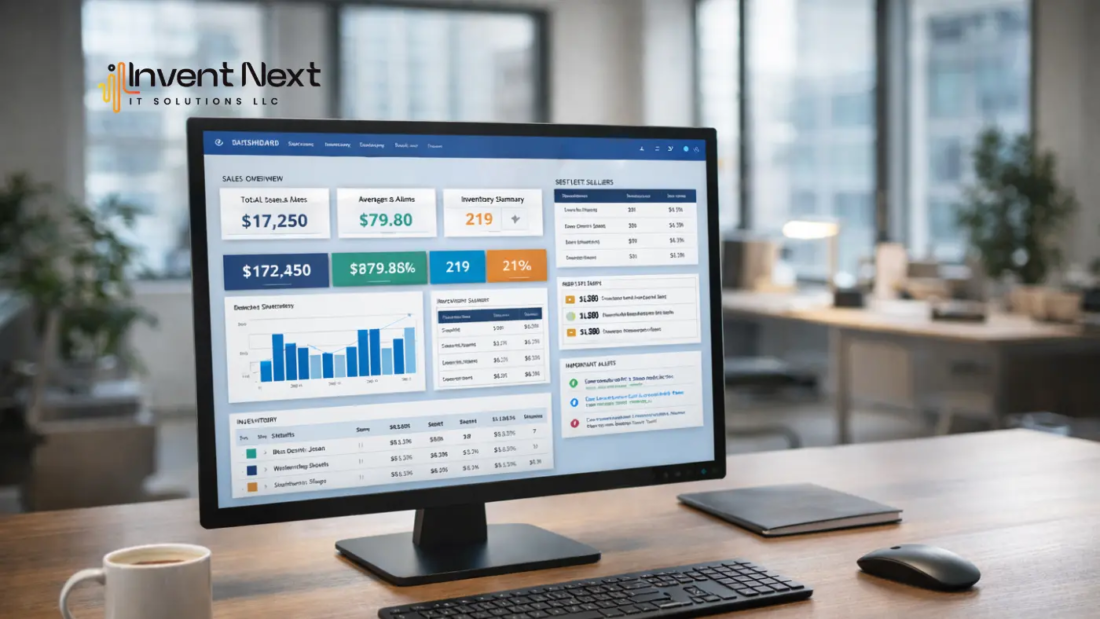
7. Tailored Dashboards and Business Intelligence

Enterprise dashboards help strategists make data-driven decisions.

Large organizations typically require strong customization. A robust, enterprise-ready point of sale software Dubai companies prefer must be flexible enough to match their internal workflow, security, and reporting requirements.

How to Decide Which POS System Is Right for You

Regardless of your business size, a few universal factors matter:

1. Understand Your Business Workflow

Map out your daily operations—from stock management to checkout—to see what features are essential.

2. Check UAE-Specific Requirements

Your POS should support VAT invoicing, Arabic/English languages, and local payment methods like Apple Pay, Google Pay, and card terminals widely used in Dubai.

3. Choose Scalable Solutions

A POS should grow as your business expands. Always choose a system that offers flexible upgrades.

4. Evaluate Customer Support in Dubai

Local support ensures immediate help with technical issues, installations, hardware upgrades, and onsite visits.

5. Look for Customization Options

Custom modules or workflows help fine-tune operations—important for medium and enterprise businesses.

5. Look for Customization Options

Custom modules or workflows help fine-tune operations—important for medium and enterprise businesses.

6. Consider Cost vs. Value

Avoid choosing only by price. Focus on long-term value: automation, customer retention, efficiency, and business growth.

Why Choosing the Right POS Provider in Dubai Matters

Dubai’s business environment moves fast, competitive trends shift quickly, and customer expectations demand speed and accuracy. A reliable POS system becomes the center of your operational efficiency.

The right point of sale software Dubai providers offer:

  • Modern cloud technology
  • VAT-compliant billing
  • Real-time inventory tracking
  • Secure payment processing
  • Reliable uptime
  • Scalable modules

Your POS becomes more than just a billing system—it becomes a business intelligence tool.

Future Trends in POS Software Dubai Businesses Should Watch

Dubai is rapidly embracing digital transformation, and the future of POS systems is evolving just as fast. Businesses are moving toward AI-driven inventory forecasting, seamless omnichannel retailing, mobile POS devices, cloud-based management, and fully integrated loyalty systems. Contactless payments such as Apple Pay, Google Pay, and QR-based transactions are also becoming standard across the UAE.

At Invent Next, we help businesses stay ahead of these trends by offering modern, scalable POS solutions designed for Dubai’s fast-changing retail and F&B landscape. Our technology ensures your business remains future-ready, efficient, and competitive

Cloud-Based POS Systems in the UAE

How Cloud-Based POS Systems in the UAE Power Omnichannel Retail

Retailers today must deliver seamless experiences across physical stores, eCommerce platforms, mobile apps, and social channels. Cloud-Based POS Systems in the UAE have become essential because they unify sales, inventory, and customer data across every retail touchpoint. For UAE businesses operating in fast-paced markets like Dubai and Abu Dhabi, cloud POS technology enhances operational efficiency, ensures VAT compliance, and supports the country’s growing digital transformation.

What Cloud-Based POS Systems Do for Omnichannel Retail in the UAE

Unlike traditional, on-premise POS tools, Cloud-Based POS Systems run entirely in the cloud. They centralize data so retailers can operate as one unified system.

Key Omnichannel Functions

  • Unified product catalogue for consistent pricing and stock availability across webstores and physical outlets.
  • Real-time inventory management ensuring online and in-store stock is always accurate.
  • Centralized customer profiles allowing loyalty points, purchase history, and preferences to move across channels.
  • Unified reporting dashboards offering visibility across multiple branches and sales channels.

By connecting every sales touchpoint, Cloud-Based POS Systems in the UAE help retailers deliver smoother customer experiences and eliminate operational silos.

Scalability & Remote Access: Why UAE Businesses Prefer Cloud-Based POS Systems

A major advantage of Cloud-Based POS Systems is their ability to scale with growing retailers. Opening a new outlet in Dubai Mall, launching a pop-up shop, or expanding to Abu Dhabi becomes easier because cloud POS platforms do not require in-house servers.

Benefits

  • On-demand scalability during peak seasons like Dubai Shopping Festival or Ramadan.
  • Easy integration of new channels such as marketplaces or social commerce.
  • Remote access for owners and managers to view sales, stock, and performance from anywhere.

This flexibility makes Cloud-Based POS Systems an ideal solution for fast-growing businesses across UAE.

Scalability & Remote Access: Why UAE Businesses Prefer Cloud-Based POS Systems

A major advantage of Cloud-Based POS Systems is their ability to scale with growing retailers. Opening a new outlet in Dubai Mall, launching a pop-up shop, or expanding to Abu Dhabi becomes easier because cloud POS platforms do not require in-house servers.

Benefits

  • On-demand scalability during peak seasons like Dubai Shopping Festival or Ramadan.
  • Easy integration of new channels such as marketplaces or social commerce.
  • Remote access for owners and managers to view sales, stock, and performance from anywhere.

This flexibility makes Cloud-Based POS Systems in the UAE an ideal solution for fast-growing businesses.

VAT Compliance & E-Invoicing: How Cloud-Based POS Systems Support Regulations

The UAE’s VAT regulations require businesses to issue accurate, tax-compliant invoices. Cloud-Based POS Systems simplify this by generating VAT-ready invoices automatically, including TRN details, VAT breakdowns, and digital copies for audits.

Compliance Benefits

  • FTA-ready invoice formats
  • Automatic VAT calculations
  • Secure digital transaction records
  • Easy export for VAT filing and audits

As the UAE expands its e-invoicing and digital reporting initiatives, Cloud-Based POS Systems in the UAE will become even more essential for maintaining compliance.

Data Security & PDPL Readiness in Cloud-Based POS Systems

With the UAE’s Personal Data Protection Law (PDPL), retailers must handle customer data responsibly. Cloud-Based POS System support data privacy through:

  • Encryption of customer and payment data
  • Role-based staff access controls
  • Audit logs and activity tracking
  • Consent management for marketing
  • Data retention and deletion workflows

These features help retailers maintain customer trust while staying compliant with UAE privacy regulations.

Operational Advantages of Cloud-Based POS Systems in the UAE

Beyond omnichannel connectivity, Cloud-Based POS Systems enhance daily store operations:

  • Faster checkout through modern, intuitive interfaces
  • Integrated online and offline promotions
  • Automated purchase orders based on inventory thresholds
  • Better staffing decisions using real-time analytics
  • Digital receipts replacing physical paper rolls

When combined, these features boost efficiency, reduce costs, and improve customer loyalty.

How to Choose the Best Cloud-Based POS Systems in the UAE

Retailers should evaluate vendors based on:

  1. VAT & e-invoice compliance
  2. PDPL and security features
  3. Real-time inventory sync
  4. Multi-store support
  5. API integrations for eCommerce and ERP
  6. Offline mode for uninterrupted billing
  7. Arabic receipts & UAE-based support

Choosing the right partner ensures long-term stability and smooth omnichannel operations.

POS Trends UAE 2026

Top POS Trends UAE 2026: Transforming Retail and Restaurant Success

The United Arab Emirates (UAE) continues to be a pioneer in retail innovation, driven by rapid digitalization, changing consumer preferences, and a regulatory environment that encourages technological growth. As we move into 2026, the retail landscape—particularly in Abu Dhabi and Dubai—is being redefined by advanced Point of Sale (POS) systems. Understanding and leveraging the top POS trends UAE 2026 is crucial for supermarkets, restaurants, trading businesses, and service providers looking to streamline operations, boost profitability, and thrive in a competitive market.

1. The Rise of Cloud-Based POS Systems in the UAE

Traditional on-premise POS systems are rapidly being replaced by cloud-based POS solutions in Abu Dhabi and Dubai. Cloud POS technology enables real-time access to business data, seamless inventory management, and simplified integrations across branches and devices. With instant software updates, scalability, and enhanced data security, UAE businesses—from hypermarkets to small groceries—find cloud POS ideal for fast-paced retail environments. This shift is integral for companies seeking POS software Abu Dhabi, retail POS software Abu Dhabi, and retail software in Dubai.

Benefits:

  • Centralized control for multi-location businesses
  • Effortless integration with accounting and inventory systems
  • Reduced IT overhead and minimized risk of data loss

2. Contactless Payments and NFC Technology Transforming Checkout

The UAE has become a leader in adopting contactless payment methods, fueled by evolving consumer demand for hygiene, speed, and security at checkout. Modern POS machines now support mobile wallets, NFC payment technology, and “tap-to-pay” options for cards, phones, and wearables. With banks setting secure transaction limits, contactless POS software in Abu Dhabi and Dubai is now essential for supermarkets, restaurants, and even auto garages.

Benefits:

  • Faster checkouts, shorter queues, and improved customer satisfaction
  • Enhanced payment security through tokenization and encryption
  • Increased consumer trust and repeat business

3. Artificial Intelligence (AI) is Powering the Next Generation of POS

AI-powered POS systems are no longer futuristic—they drive predictive analytics, intelligent inventory automation, real-time fraud detection, and hyper-personalized shopping experiences. In POS trends UAE 2026, AI integrations are common in restaurant POS software Dubai, retail management software, and even auto garage software Abu Dhabi. These features help businesses optimize stock, reduce shrinkage, and launch targeted promotions based on buying behavior.

Applications:

  • AI-based demand forecasting for optimized purchasing
  • Automated loyalty programs and personalized offers at checkout
  • Computer vision-enabled self-checkout and AI-powered payment authentication

4. Omnichannel Commerce and Unified POS Experiences

UAE retailers are embracing omnichannel models by integrating physical stores, e-commerce, mobile apps, and marketplaces within a single POS platform. This trend enables unified inventory visibility, centralized customer data, and smooth transitions between online and offline experiences—a must for trading software Abu Dhabi and point of sale software Dubai.

Advantages:

  • Real-time stock updates across all sales channels
  • Consistent pricing and promotions online and offline
  • Improved customer retention through seamless ordering, delivery, and return processes

5. Mobile POS (mPOS) and App-Based Solutions

Mobile POS technology is empowering UAE retailers to serve customers anywhere in-store and even outside the traditional checkout zone. Tablets and smartphones now serve as POS systems in restaurants, shops, and temporary outlets. This trend is particularly strong for food trucks, pop-up stores, and trading companies seeking flexibility and lower entry costs.

Features:

  • mPOS for fast, queue-busting payments on the sales floor or tableside
  • App-based management for inventory, billing, and staff scheduling
  • Easy scalability for businesses with seasonal or event-based operations

6. Smart Inventory and Warehouse Management

With advanced POS system integration, retailers and wholesalers benefit from real-time inventory tracking, automated reordering, and seamless supplier communications. This is particularly impactful for supermarkets, department stores, and spare parts businesses in Abu Dhabi, where managing thousands of SKUs efficiently is crucial. The best POS software now includes built-in warehouse automation features and analytics dashboards.

Use Cases:

  • Auto-purchasing of fast-moving items based on predictive analytics
  • Centralized view of stock across outlets in Dubai and Abu Dhabi
  • Intelligent identification of dead stock and slow movers

7. Biometric and Voice-Activated Payments

Security and customer convenience are moving to the next level with biometric authentication and voice-enabled POS transactions. Biometrics—such as fingerprint or facial recognition—are now available on select POS machines in the UAE. Voice payments, enabled by smart assistants, are gaining ground for quick, contact-free experiences, further accelerating adoption in restaurants, retail chains, and service-based businesses.

8. Enhanced Data Analytics and Reporting

Smart reporting is a cornerstone of new POS trends UAE 2026technology. Advanced analytics offer real-time dashboards, sales forecasting, and actionable recommendations to help UAE retailers optimize staffing, marketing, and merchandising. Business owners demand POS systems that turn raw transaction data into insights for sustainable growth.

9. Regulatory Compliance and VAT-Ready POS

The UAE government’s focus on taxation, data protection, and consumer rights demands strict compliance. Modern POS systems in Abu Dhabi and Dubai are FTA- and VAT-ready, ensuring seamless reporting, secure transaction management, and future-proofing for new regulations. Automated compliance reduces audit risk and accelerates business registration for new outlets.

10. Sustainability and Green POS Initiatives

Environmental responsibility is rising in the UAE retail sector. POS solutions now offer options for paperless billing (digital receipts), eco-friendly hardware, and optimized logistics to minimize carbon footprint. Companies with green technology credentials win favor with both government and consumers, reflecting the country’s sustainability ambitions.

POS trends UAE 2026

The pace of change in UAE retail is accelerating as we approach 2026. Smart POS trends UAE 2026 systems are central to this evolution, offering real-time data, seamless omnichannel experiences, bulletproof security, and regulatory compliance. By choosing the right technology partner and embracing these emerging POS trends, businesses can:

  • Outperform competitors in Abu Dhabi and Dubai
  • Delight customers with fast, secure, and personalized service
  • Achieve higher profitability and sustainable growth

Invent Next is committed to powering this transformation with next-generation POS systems built for the UAE market. Whether you need supermarket, restaurant, trading, or specialized retail software, choosing a future-ready POS solution is your foundation for success in 2026 and beyond.

Restaurant POS Software in Dubai

Top Benefits of Restaurant POS Software in Dubai & Abu Dhabi

Contemporary restaurant management requires velocity, precision, and efficiency, particularly in the fast-paced food culture of Dubai and Abu Dhabi. A solid restaurant POS (Point of Sale) system is not simply a virtual cash register; it’s an integrated software platform that drives sales, billing, inventory, reporting, and customer experience. Learn how the right restaurant POS software in Dubai can transform your F&B business by automating processes and enhancing profitability in the UAE.

What is a Restaurant POS System?

A restaurant POS system is computer software that manages all the functions of food outlet transactions, including order entry and kitchen communication up to automated stock control and customer payment. In contrast to antiquated manual systems, modern restaurant POS systems in Dubai are connected to mobile devices, kitchen display screens, and cloud back office consoles, so operations are seamless for small cafes and multi-chain upscale dining groups.

Major Advantages of Restaurant POS Software in Dubai & Abu Dhabi

Quick Order Taking and Proper Billing

Speed and accuracy are the keys to customer satisfaction. Contemporary restaurant POS systems make it possible for staff to input orders directly through touch screens or mobile apps. Orders are sent straightaway to kitchen display units — no paper tickets, no misunderstandings, less wait time. Integrated billing facilitates error-free card, mobile wallet, or QR payments, resulting in smooth checkouts.​

  • Table-side ordering using mobile devices optimizes customer service at peak times.
  • Instant payment processing enhances table turns and profitability.
  • Decreases billing errors that result in revenue leakage.

Intelligent Inventory and Stock Management

Ingredient waste or shortages can significantly hurt a restaurant’s bottom line. Restaurant POS software in Dubai is tied to stock levels, automatically deducting inventory as menu items are consumed. Low-stock reminders, expiry dates, or batch tracking in real-time keep managers from overstocking and wastage, even for operations with imported ingredients.​

  • Inventory deducting per order from menus removes used ingredients.
  • Supplier integration and automated purchase orders reordering is made easy.
  • Batch management and expiry notices guarantee food security and regulations.

Efficient Restaurant Operations

Restaurant management system Dubai facilitates automation of operations in the areas of staff scheduling, table control, bookings, and loyalty programs. Major business modules are available in real-time to facilitate managers in effectively managing multiple outlets.​

  • Simplified staff scheduling, payroll, and leave management on a single dashboard.
  • VAT-compliant invoice and multi-language receipts for UAE compliance.
  • Role-based access controls enhance security.

Improved Customer Experience and Loyalty

A restaurant POS system in Dubai facilitates customized customer service and loyalty programs. With built-in CRM modules, outlets are able to reward repeat customers, send targeted promotions, and quickly resolve issues.​

    • Customer profiles retain order history and preferences.
    • Simple setup for online membership and loyalty programs.
    • Improved satisfaction through quicker, more precise service.

    Powerful Business Reporting and Analytics

    Restaurant POS software Dubai creates extensive sales, inventory, and staff performance reports, enabling owners to make informed decisions. In-depth dashboards show top-selling items, rater trends, and operational bottlenecks, facilitating strategic business growth.​

      • Real-time sales tracking for each outlet and shift.
      • Consolidated reporting for owners with multiple branches.
      • Insights into food cost, wastage, and demand forecasting.

      Multi-Location and Cloud-Based Management

      For restaurant chains and franchises, cloud-based POS makes it easy to monitor performance, staff, and inventory across multiple locations. Owners can access dashboards from anywhere in the world, ensuring maximum agility and control in Abu Dhabi’s and Dubai’s competitive food market.​

        • Remote management of branches, kitchens, and outlets in real-time.
        • Consolidated analytics and central inventory control.
        • Local, Arabic/English, and VAT-compliant billing.

        Why UAE Restaurants Choose Modern POS Systems

        Restaurant markets of Dubai and Abu Dhabi require high performance during seasonal peaks and peak timings (such as Ramadan, weekends, or festivals). Implementing best-rated restaurant POS software, like the ones provided by InventPOS or industry leaders like Foodics and Sapaad, ensures tax compliance with local regulations, simplifies digital ordering (WhatsApp, QR, kiosks), and provides scalable support for growth in the future.​

        Contemporary POS systems from market giants such as InventPOS, Foodics, and Sapaad do not simply process payments—these are all-inclusive digital platforms that guarantee that every transaction is VAT-compliant, automate menu management, synchronize with local payment gateways, and therefore are a must-have for regulatory and operational purposes. Most systems now neatly support digital ordering processes: customers can order via WhatsApp, QR code menus, or in-store kiosks, enabling food outlets to provide customer convenience and safety expectations.

        Scalability is another important consideration. When restaurants grow, open new locations, or convert to cloud kitchens, their POS system must be capable of supporting centralized reporting, real-time stock management, and loyalty program integration across various outlets. As the UAE emphasizes digitalization and smart city ambitions, cloud-based, future-proof restaurant POS software allows brands to stay competitive, nimble, and able to respond quickly to emerging changes in customer behavior or local policy.​

        Opting for an award-winning POS solution is now imperative for Dubai and Abu Dhabi restaurants seeking to expand, stay compliant, and provide an unmatched guest experience year-round.

        Benefits of Retail POS and Trading Software in Abu Dhabi

        Top Benefits of Retail POS and Trading Software in Abu Dhabi

        Today’s digitally fueled economy, Abu Dhabi retail and trading firms are struggling with intense competition and increasing customer expectations. With the UAE emerging as a digital transformation leader in the region, organizations are keen on attaining sophisticated software solutions such as Retail software Abu Dhabi, Retail POS software Abu Dhabi, Trading software Abu Dhabi, and Retail software in Dubai to endure and flourish in the new marketplace. Let’s explore the benefits of retail POS and trading software in Abu Dhabi.

        The Evolution of Retail in Abu Dhabi

        The Abu Dhabi retail business is undergoing a fundamental transformation. Old POS terminals are being replaced rapidly with end-to-end cloud-based retail software solutions. Such advanced tools don’t merely process the transactions—they handle sales, inventory, payments, accounting, and customer loyalty all from an uncluttered dashboard. The benefits of retail POS and trading software in Abu Dhabi are that it assists retailers in automating mundane activities, minimizing errors, and deriving real-time insights, allowing them to make faster, data-based decisions.​

        Key Drivers of Digital Transformation:

        • Government incentives towards technology adoption
        • VAT compliance requirements and FTA approval for POS solutions
        • Increase in e-commerce and omnichannel retail
        • Customer demands for fast, personalized service​

        Retailers need to invest in the best Retail software in Dubai and Abu Dhabi to stay competitive, compliant, and customer-centric in 2025 and beyond.​

        Core Features of Contemporary Retail and POS Software

        The right software involves knowing core functionalities that UAE businesses now demand:

        • Cloud Access: Supports anytime, anywhere management for multi-branch retailers.
        • Real-Time Inventory Sync: Eliminates stockouts and overstock mistakes with real-time updates.
        • Multi-Language Support: Arabic-English invoices and receipts for compliance and customer understanding.​
        • E-Commerce Integration: Seamless connections to Shopify, WooCommerce, and social selling sites for a seamless omnichannel experience.
        • Smart Analytics & Reporting: Integrated dashboards and AI-powered insights drive improved business decisions.
        • VAT and Regulatory Compliance: Ensures all transactions and reports align with UAE laws and FTA requirements.​
        • Customer Loyalty Tools: Drive repeat business with points, rewards, and tailored communications.
        • Why These Features Matter
          Software with these features gives Abu Dhabi retailers the flexibility to adapt to sudden market changes, optimize inventory, and create memorable customer experiences—all while streamlining compliance.​

        The Role of Trading Software in Abu Dhabi’s Business Growth

        Abu Dhabi’s strategic location makes it a hub for regional and international trading. Modern trading software—also known as ERP or back-office solutions—empowers trading businesses with automation and efficiency that manual processes simply can’t match.​

        Automation by ERP and back-office systems aids traders in handling multiple branches, automating billing cycles, and following UAE’s changing financial standards. The software packages also enhance transparency and precision, avoiding errors in dealing with orders and inventory. Furthermore, with investments pouring in from around the world into the UAE, electronic trading platforms supported by emerging technologies such as AI and cloud computing are aiding local businesses in expanding quickly and safely.

        Briefly put, trading software is no longer a nicety—it is the linchpin of business development in Abu Dhabi today. By providing speed, data insight, and operational transparency, such solutions enable businesses to grow with certainty in one of the world’s most dynamic trade landscapes.

        Essential Capabilities:

        • Multi-Asset and Multi-Market Trading: Supports diverse product categories, including electronics, garments, automotive parts, and more.​
        • Automated Invoicing and Accounting: Reduces errors, speeds up receivable cycles, and ensures documentation compliance.
        • Inventory and Order Management: Manages real-time inventory across branches and warehouses, minimizes costs, and prevents lost sales.
        • Supplier and Customer Management: Manages relationships, records, and histories for conflict-free operations.
        • Secure, Cloud-Based Operations: Safeguards sensitive financial and customer information through industry-strength encryption and two-factor authentication.​

        Advanced Trading software Abu Dhabi is also fully integrated with POS and HR software, offering a 360-degree view of sales, inventory, and finance.

        The UAE Retail and Trading Sectors’ Specific Requirements

        The business landscape of Abu Dhabi is special, blending modern infrastructure with local laws and multicultural employees. Traders and retailers need to select software that caters to these facts:​

        • Arabic–English Bilingualism: Local customers and regulatory needs require bilingual interfaces, receipts, and reports.
        • Mobile and Cloud Preference: Cloud platforms serve the mobile-first working pattern of contemporary UAE executives.
        • Flexible VAT Management: UAE’s VAT regulations are stringent; software has to calculate, collect, and report VAT automatically on every transaction.​
        • Customization and Scalability: With quick business expansion, solutions need to provide customization for industry categories (e.g., electronics, apparel, auto accessories) and scale up effortlessly for franchises or new stores.

        How Invent Next IT World Facilitates Business Success

        Invent Next delivers advanced and fully integrated Retail software Abu Dhabi. Also Retail POS software Abu Dhabi, and Trading software Abu Dhabi for UAE businesses. Its InventPOS suite supports grocery stores, supermarkets, electronics outlets, and department stores with efficient digital management and real-time business insights. Meanwhile, InventPOS Trade automates complex trading workflows for accuracy, seamless compliance. And also improved efficiency across various business operations in competitive UAE markets.

        Why Invent Next Stands Out:

        • Local UAE Expertise: Solutions tailored to Abu Dhabi and Dubai’s regulatory and business needs.​
        • Integration with Backoffice ERP: Controls sales, inventory, vendor relationship, and accounting—all in one place.
        • Scalable for Multi-Branch Operations: Suitable for SMEs as well as large corporates with multiple branches or warehouses.
        • Mobile-Ready and Cloud-Based: Access and control your business from anywhere at any time, through secure web and mobile interfaces.
        • Dedicated Customer Support: Onboarding, training, and troubleshooting by regional specialists.

        The Future of Abu Dhabi and Dubai Retail and Trading Software

        Strong retail and trading software has become essential for business success in Abu Dhabi and Dubai, driving growth, efficiency, and long-term competitiveness. With changing regulations, rapidly shifting consumer trends, and an increasingly tech-savvy government, AI-driven analytics, mobile-first point-of-sale, and end-to-end automation are benefits of retail POS and trading software where future industry leaders are being made.​

        Sophisticated retail and trading software provide Abu Dhabi companies with the competitive advantage to succeed locally and internationally. Proper technology provides not just transactional performance but also strategic knowledge, customer loyalty, and sustainable growth. As the UAE retail industry tackles 2025’s challenges, invest in sophisticated Retail software Abu Dhabi, Retail POS software Abu Dhabi, Trading software Abu Dhabi, and Retail software in Dubai to place yourself at the cutting edge of innovation and profitability.

        Contactless Payments and POS

        Contactless Payments and POS

        In recent years, Abu Dhabi’s retail sector has experienced rapid digital transformation. It is driven by the demand for seamless, secure, and hygienic payment options. The emergence and adoption of contactless payments and POS technology, powered by advanced POS systems, have significantly improved customer experiences in the region. Since consumers’ expectations on convenience and security keep changing, Abu Dhabi businesses have to take advantage of new technologies. Which is like contactless POS, NFC payment technology, and a strong emphasis on secure payment solutions to remain competitive.

        Understanding Contactless POS Technology in Abu Dhabi

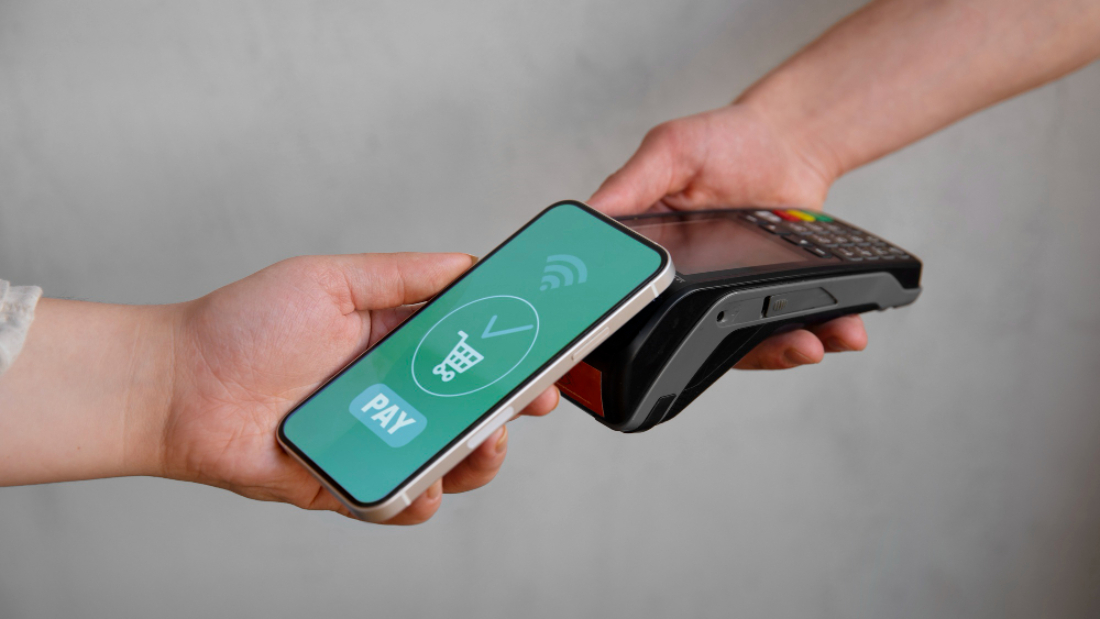
        Contactless payments and POS Abu Dhabi solution allows customers to pay securely and instantly by just tapping their card, mobile phone, smartwatch, or any other device with NFC technology close to the reader. In contrast to chip-and-PIN or swipe methods, contactless payments involve no physical touch or PIN entry for the vast majority of day-to-day purchases. The whole process is completed in seconds, typically below the AED 500 threshold established by most banks as an additional security measure.

        These systems use NFC (Near Field Communication) technology, which allows close-range data exchange between the payment method and the terminal. Retailers across the UAE—especially in metro centers like Abu Dhabi and Dubai—have embraced this shift, making it a standard offering at supermarkets, fashion outlets, restaurants, and more.

        Why Abu Dhabi’s Retailers Are Adopting Contactless POS

        Contactless POS in Abu Dhabi has gained momentum for several key reasons:

        • Quicker Transactions: Payment processing using a tap is 10 times quicker than the traditional way, cutting down on checkout time considerably and enabling staff to serve more customers—perfect for busy shopping conditions and busy periods.
        • Sanitation and Safety: Because customers and staff don’t have to physically touch the terminal, nor pass cash to each other, contactless transactions have become more popular for sanitary purposes—particularly in the post-pandemic world.
        • Shorter Queues and Increased Throughput: The convenience of contactless payment solutions accelerates checkout processes and reduces queues, which directly reflects on customer satisfaction.
        • Improved Security: Every transaction employs encrypted, single-use codes, significantly reducing the threat of card information theft or skimming. Customers hold control of the card or device at all times.
        • Customer Preference: According to Mastercard studies, 82% of UAE consumers prefer contactless payments for routine transactions, and the figure is likely to increase more with higher adoption of mobile and wearable devices.

        How NFC Payment POS is Revolutionizing UAE Retail

        The deployment and extensive use of NFC payment POS UAE systems are transforming the nature of retail:

        • Universal Acceptance: NFC payment point-of-sale (POS) terminals are capable of accepting payments from different sources: debit and credit cards, smartphones (Apple Pay, Samsung Pay, Google Pay), and wearables. This capability guarantees all customer desires are supported.
        • Mobile POS (mPOS) Growth: Contemporary cloud-based POS providers now provide mPOS products—portable, handheld devices for in-aisle checkout, pop-up commerce, or delivery-based commerce—using the same NFC technology.
        • Tap-on-Phone Technology: Certain companies use “tap-on-phone” technology to make any Android NFC smartphone a POS terminal without additional hardware. This is transforming payment acceptance among SMEs, marketplace stalls, and service-oriented businesses in Abu Dhabi and throughout the UAE.
        • Loyalty and Personalization: Unconnected POS systems may tie payment information to loyalty schemes or targeted promotions, providing a seamless, rewarding shopping experience for frequent shoppers.

        Secure Payment Solutions: Safeguarding Abu Dhabi Retailers and Consumers

        As contactless payments and POS technology continue to evolve, security is paramount. Secure payment solutions UAE-wide and in Dubai counter many threats:

        • Data Encryption: Contactless Point of Sale terminals encrypt all transactions, protecting card information from interception. Sensitive information is never left on the terminal or sent in plain text.
        • Tokenization: The system creates a separate single-use token for every transaction, replacing the need for card numbers and making fraud or data breaches virtually impossible.
          • Fraud Monitoring and AI: Secure payment solutions Dubai use sophisticated fraud-detection algorithms and AI-based monitoring to identify suspicious behavior in real-time, automated risk management for retailers and consumers alike.
          • Compliance Standards: Top POS vendors in Dubai and Abu Dhabi achieve international compliance standards such as PCI-DSS, providing end-to-end electronic payment protection.
          • Contactless Transaction Limits: Banks restrict single transaction amounts without PIN entry to prevent potential abuse. You must authenticate any attempted transactions above the limit, which adds an extra layer of security.

          Best Practices for Abu Dhabi Retailers Implementing Contactless POS

          Tying a contactless payments and POS system into Abu Dhabi’s retail strategy is a smart move. To maximize returns, retailers must follow key best practices. First, choose a reliable tech vendor with proven security, proper certifications, and strong encryption standards. The success of any POS rollout also depends on well-trained staff. Team members should know how to use the equipment, explain NFC payment features, and solve payment issues quickly.

          To boost customer awareness, clearly display “contactless payments accepted” signs at checkouts and in online listings. This helps shoppers easily identify the option. Linking the POS system with business tools like inventory, CRM, and accounting software adds more value. Integration provides real-time operational insights and ensures smooth, connected workflows. Merchants must actively inform customers about the speed and security of contactless payments, which establishes trust and promotes wider adoption. Lastly, have a strict security posture by regularly scanning support materials for cyber patches and activating options like two-factor authentication for back-end system users to reduce the potential for data breaches even further.

          The Competitive Advantage: Why Invest in Contactless POS Now

          Merchants that adopt secure payment methods and contactless POS terminals in Abu Dhabi enjoy unmistakable business benefits. Improved conversion rates are a clear gain. Quicker payments and shorter lines mean fewer abandoned transactions, more return visits, and higher sales. Self-service digital payments also lower operating expenses, as they require less manual work and reduce sales reconciliation errors. With VAT- and FTA-ready POS technology, Abu Dhabi businesses stay audit-ready and prepared for regulatory changes. A simple and secure payment process boosts customer retention, encouraging repeat visits and referrals. Secure information handling and ease of use drive loyalty. Scalable cloud-based and NFC-capable POS systems let retailers expand easily, whether opening new branches or launching pop-up stores, ensuring seamless growth and future readiness.

          Complete guide for POS system installation

          POS System Installation: Key Factors to Ensure a Smooth Setup

          Installing a Point of Sale (POS) system is a critical step for any business looking to streamline operations, improve efficiency, and enhance customer experience. Whether it’s a retail store, restaurant, or service-based business, a well-installed POS system can transform day-to-day operations by making transactions faster, inventory management easier, and reporting more accurate. But careful preparation and close attention to detail are necessary for a successful POS system installation. Here’s a complete guide on what to consider during the process.

          1. Understand Business Requirements

          Before starting the installation, it’s essential to identify the specific needs of your business.

          • Type of business: Restaurants, retail outlets, and service providers often need different features.
          • Number of terminals: Decide how many checkout points you require.
          • Special integrations: Consider add-ons like accounting software, CRM, or online ordering systems. The restaurant pos system is entirely different from the spare parts software. 

          A clear understanding of your requirements ensures that the POS setup is tailored to your business operations.

          2. Hardware Setup and Compatibility

          The installation process isn’t just about software; hardware plays a major role too. Key hardware components include:

          • POS terminals or touchscreens
          • Barcode scanners
          • Receipt printers
          • Cash drawers
          • Card readers for secure payments

          Check that all hardware devices are compatible with the POS software you’re using. Poorly matched hardware can slow down operations and increase long-term costs.

          3. Network and Connectivity

          A stable and secure network connection is the backbone of a POS system.

          • Ensure reliable Wi-Fi or LAN connections to prevent downtime.
          • To safeguard payment and client information, use encryption and a secure firewall.
          • Consider backup internet options in case of outages.

          Smooth network connectivity ensures seamless transactions and reduces the risk of data loss.

          4. Data Migration and Backup

          If you’re upgrading from an old system, transferring data safely is a critical step.

          • Migrate existing inventory, customer information, and transaction history.
          • Always keep a backup copy to avoid losing vital business data.
          • Test the migrated data before going live.

          Accurate data transfer ensures continuity and prevents operational disruptions.

          5. Software Configuration

          The POS software must be configured properly to align with your operations.

          • Set up user accounts with proper access levels.
          • Configure tax settings and pricing rules according to local regulations.
          • Integrate with payment gateways and third-party apps if needed.

          This step ensures the system works as intended and complies with regional business laws, including UAE-specific VAT rules.

          6. Security Considerations

          With financial transactions and customer data involved, security is non-negotiable.

          • Use PCI-compliant payment processing.
          • Enable two-factor authentication for admin accounts.
          • Regularly update both hardware and software to prevent vulnerabilities.

          A secure installation protects your business and builds customer trust.

          7. Staff Training and Support

          Even the most advanced system is only effective if your staff can use it efficiently.

          • Conduct training sessions for employees.
          • Provide user manuals or video tutorials.
          • Ensure ongoing technical support from your POS supplier.

          This ensures your team can handle the system confidently and serve customers better.

          8. Testing Before Going Live

          Before fully launching, test the system in real-world scenarios.

          • Run trial transactions.
          • Check receipt printing, card payments, and inventory updates.
          • Verify reporting accuracy.

          Testing allows you to detect and fix issues before they affect customers.

          9. Ongoing Maintenance

          A POS system is not a one-time setup. Regular maintenance ensures long-term reliability.

          • Schedule software updates.
          • Monitor system performance.
          • Replace outdated hardware components.

          Regular maintenance minimises unplanned downtime and keeps the system operating smoothly.

          Final Thoughts

          A POS system installation is more than plugging in devices and running software—it’s about creating a foundation for your business growth. By paying attention to compatibility, data migration, security, staff training, and ongoing support, businesses in Abu Dhabi and beyond can ensure a seamless setup.

          With Invent Next IT World’s expertise in POS systems and software solutions, businesses can rely on trusted technology partners to handle installation with precision. Since 2004, Invent Next has been empowering companies with innovative hardware and software tailored for efficiency and long-term success.

          Image of pos system suppliers

          Understanding POS Systems: What They Are and How They Operate

          In today’s fast-paced business world, the ability to process transactions quickly and efficiently is critical for success. This is where POS systems, or Point of Sale system, comes into play. Whether you’re running a retail store, a restaurant, or any other type of business, a POS system can streamline your operations, enhance customer satisfaction, and improve overall efficiency. In this blog, we’ll explore what a POS system is, how it works, and why it’s essential for modern businesses.

          What is a POS System?

          A POS system integrates both hardware and software components, enabling businesses to efficiently handle sales transactions. It’s essentially the place where a customer makes a payment for products or services, whether in a physical store, online, or both. A modern POS system does more than just handle transactions; it integrates various aspects of business operations, including inventory management, sales tracking, and customer relationship management.

          For businesses in the UAE, the demand for robust POS solutions is rising due to the rapid growth of retail and service industries. Many POS system suppliers in UAE provide tailored solutions to meet the diverse needs of local businesses.

          Key Components of a POS System

          A typical Point of Sale (POS) system is built around two fundamental components that collaborate seamlessly to facilitate smooth transactions and optimize business operations:

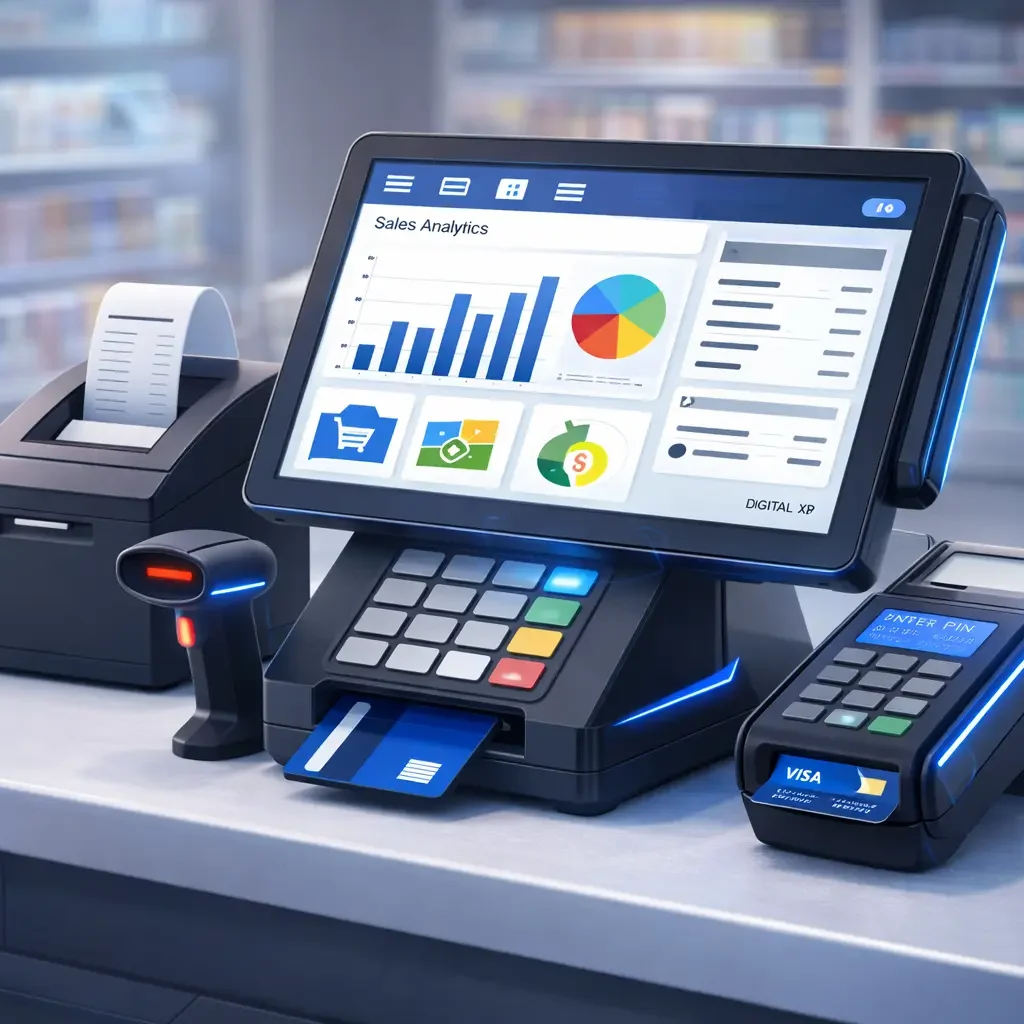
          Hardware: This includes physical components like a touchscreen monitor, barcode scanner, receipt printer, cash drawer, and payment terminal. In a retail setting, these elements work together to make transactions seamless and quick. For instance, in a retail POS system Dubai, you’ll often find compact and sleek hardware setups designed to save space while providing top-notch functionality.

          Software: The software acts as the central hub, managing and coordinating all aspects of the system seamlessly. It records transactions, tracks inventory, generates reports, and can even manage employee schedules. Many POS software solutions today are cloud-based, offering real-time data access and the flexibility to manage your business remotely.

          How Does a POS System Work?

          The working process of a POS system can be broken down into the following steps:

          Product Scanning: When a customer selects a product, the item is scanned using a barcode scanner, or the product details are manually entered into the system.

          Pricing and Discounts: The system automatically calculates the price, applies any discounts or offers, and adds applicable taxes.

          Payment Processing: The customer chooses a payment method, such as cash, card, or digital wallet. The POS system efficiently verifies the payment method, ensures secure processing, and finalizes the transaction with precision.

          Receipt Generation: Once the payment is successful, the system generates a receipt, either printed or digital, for the customer.

          Inventory Update: The system updates the inventory in real time, ensuring accurate stock levels.

          Data Storage: All transaction details are stored in the system, enabling businesses to analyze sales trends and customer preferences.

          Benefits of Using a POS Systems

          Efficiency: A POS system simplifies the checkout process, reducing wait times and enhancing customer satisfaction.

          Understanding POS Systems: What They Are and How They Operate. This is particularly useful for retail businesses in Dubai, where managing diverse inventories can be challenging.

          Sales Insights: POS systems provide detailed sales reports, helping you identify best-selling products and peak sales periods.

          Employee Management: Many systems include features to track employee performance, manage schedules, and monitor attendance.

          Integration: Modern POS systems can integrate with other business tools like accounting software, customer relationship management (CRM) platforms, and e-commerce websites.

          Choosing the Right POS Systems

          Selecting the right POS system depends on your business type, size, and specific needs. For instance, if you run a retail store in Dubai, you’ll benefit from a retail POS system Dubai that offers features like barcode scanning, inventory tracking, and multi-store management. Collaborating with reliable POS system suppliers in UAE can help you find a solution that aligns with your business goals.

          Conclusion

          A POS system goes beyond merely processing payments; it serves as a versatile tool that revolutionizes business management. By streamlining operations, enhancing customer experience, and providing valuable insights, a POS system is a must-have for businesses aiming to stay competitive in today’s market. If you’re looking to upgrade your business operations, consider exploring the wide range of options available from POS system suppliers in UAE to find the perfect fit for your needs.

          POS for small business in Dubai

          Point of Sale Systems for Small Businesses: Transforming Transactions into Opportunities

          In today’s dynamic business environment, small businesses require tools that streamline operations, enhance efficiency, and elevate customer experiences. One essential tool that achieves all of these goals is a Point of Sale (POS) system. Designed to do much more than just process payments, POS systems for small businesses are game-changers for managing inventory, analyzing sales, and even enhancing customer loyalty.

          What is a Point of Sale System?

          A Point of Sale (POS) system combines hardware and software to seamlessly manage sales transactions. From scanning barcodes to generating receipts, a POS system is the backbone of any retail or service-oriented business. Modern POS systems go beyond cash registers by integrating inventory tracking, customer relationship management, and data analytics into a single platform.

          Why Do Small Businesses Need a POS System?

          Small businesses typically operate with limited resources, making efficiency and accuracy essential. Here’s why a POS system is a vital tool for their success:

          1. Streamlined Transactions

          POS systems offers quick and secure payment processing. POS systems help reduce wait times, enhancing the overall customer experience.

          2. Inventory Management

          Monitor inventory levels in real-time, set alerts for low stock, and avoid both overstocking and stockouts.

          3. Sales Insights and Analytics

          Analyze daily, weekly, or monthly sales trends to make informed decisions and identify top-selling products or services.

          4. Enhanced Customer Loyalty

          POS systems allow businesses to track customer preferences. So, it’s offer personalized discounts, and implement loyalty programs.

          5. Multi-Payment Integration

          From cash to contactless payments, POS systems offer flexibility in handling multiple payment methods, meeting customer expectations.

          Features to Look for in a POS System for Small Businesses

          When selecting a POS system, it’s important to consider features that align with the specific needs of your business:

          • Ease of Use: The system should be intuitive for both staff and management.
          • Cloud-Based Access: Effortlessly manage your business from any location with the reliability of secure cloud connectivity.
          • Scalability: Your POS system should be able to expand and adapt as your business grows, supporting additional features or locations.
          • Custom Reporting: Access tailored reports to track performance metrics.
          • Integration Capabilities: Effortlessly connect with accounting, CRM, and inventory management software for streamlined operations.

          Benefits of POS Systems for Small Businesses

          Cost Efficiency

          POS systems reduce manual errors and save time, ultimately cutting operational costs.

          Improved Accuracy

          POS systems reduce human error by automating tasks such as billing and inventory management.

          Better Customer Relationships

          Gain deeper insights into your customers and provide them with personalized services based on data-driven analytics.

          Compliance Made Easy

          Many POS systems ensure compliance with tax regulations, simplifying audits and tax filings.

          How to Choose the Right POS System for Your Business

          Selecting the perfect POS system involves evaluating your business needs and goals. Here are some tips:

          1. Assess Your Business Type: Restaurants, retail stores, and service businesses have unique POS requirements.
          2. Determine Your Budget: Find a system that offers the best features within your price range.
          3. Look for Support and Updates: Ensure the provider offers continuous technical support and regular software updates for optimal performance.
          4. Try Before You Buy: Opt for a demo or trial version to test the software’s functionality.

          Invent Next: Your Partner in POS Excellence

          At Invent Next, we specialize in providing best POS systems for small businesses in Dubai and beyond. Our solutions are customized to fit your specific needs, guaranteeing smooth integration and powerful functionality. Our advanced Retail POS System in Dubai is designed to streamline operations, manage inventory, and deliver an exceptional customer experience, making it the perfect solution for small businesses in the competitive retail landscape.

          From improving sales operations to fostering customer loyalty, our POS systems empower small businesses to thrive in a competitive market.

          Final Thoughts

          Incorporating a POS system into your small business isn’t just about simplifying transactions—it’s about unlocking growth and improving customer satisfaction. Invest in a reliable POS solution today and watch your business reach new heights.

          Get in touch with Invent Next for the best POS solutions designed for small businesses. Let me know if you’d like specific customization for your business niche!

          Why restaurants in Dubai use POS system

          Why Should Your Restaurant in Dubai Use a POS System?

          Dubai’s dynamic restaurant industry demands efficiency, precision, and innovation. A restaurant POS (Point of Sale) system is the ultimate tool for meeting these challenges. By streamlining operations and enhancing customer service, it becomes an invaluable asset for restaurants aiming to thrive in Dubai’s competitive food scene. If you’re looking to enhance your restaurant operations and improve customer service, a reliable restaurant POS system in Dubai is the perfect solution. Let’s check why should your restaurant in Dubai use a POS Sysstem.

          What is a Restaurant POS System?

          Why should your restaurant in Dubai use a POS System

          A restaurant POS system is a digital solution designed to manage key restaurant operations such as order processing, payment handling, inventory management, and staff monitoring. Unlike traditional cash registers, a modern POS system integrates multiple functions into one platform, allowing restaurants to operate efficiently and deliver an exceptional dining experience. In a fast-paced environment like Dubai, where customer expectations are high, a POS system ensures seamless operations and boosts customer satisfaction.

          Importance of Restaurant POS System

          Enhancing the Dining Experience

          A POS system significantly enhances the dining experience for your customers by streamlining various aspects of service. Orders are quickly and accurately sent to the kitchen, reducing delays and minimising errors, which ensures a smoother dining experience. Payments are made hassle-free with support for multiple payment options, including cash, credit cards, and digital wallets, offering customers convenience and flexibility. Additionally, by storing customer data such as order history and preferences, the system enables personalised interactions that make guests feel valued and appreciated. These features collectively elevate the service quality, leaving a positive impression and fostering customer loyalty.

          Efficient Inventory Management

          Inventory management is a critical component of running a successful restaurant, and a POS system makes this process seamless by providing real-time stock tracking. The system constantly monitors inventory levels, ensuring that popular items remain in stock and preventing shortages that could affect service. Additionally, low-stock alerts notify restaurant owners when essential ingredients are running low, allowing them to take action before they run out. With the ability to generate detailed sales reports and analyse trends, the POS system also helps forecast demand, optimise stock levels, and reduce waste. For restaurants in Dubai, where diverse menus are common, these features are vital for maintaining operational efficiency and minimising costs.

          Integrating Online and Offline Operations

          The rise of online food delivery services in Dubai has made integration with these platforms essential for modern restaurants. A POS system seamlessly syncs with popular platforms like Talabat and Deliveroo, ensuring efficient processing of online orders and integrating them smoothly into the restaurant’s operations. Furthermore, the system continues to function even during internet outages, with the ability to sync data once connectivity is restored. This dual capability ensures that restaurants can operate without interruptions, catering to both in-house and online customers effortlessly, providing a seamless service experience across all channels.

          Ensuring VAT Compliance

          In Dubai, compliance with VAT regulations is mandatory for all businesses, including restaurants. A POS system simplifies this process by automating tax calculations, ensuring that VAT is accurately applied to every transaction. The system also generates comprehensive tax reports, making VAT filing easier and reducing the risk of errors. By ensuring legal compliance, the POS system helps restaurants avoid penalties and stay in line with local tax laws. With these VAT-compliant features, a POS system removes the complexities of tax management, allowing restaurant owners to focus on enhancing their operations and customer experience.

          Streamlining Employee Management

          Managing staff becomes much easier with a restaurant POS system that includes employee management features. The system allows restaurant owners to monitor individual employee performance by tracking sales and contributions, helping identify top performers and areas for improvement. It also simplifies attendance management by tracking shifts and employee attendance, enabling better scheduling and ensuring optimal staffing levels. During peak hours, the system helps ensure that there are enough staff members on duty to maintain high service standards. This not only improves workforce productivity but also helps restaurants in Dubai uphold the exceptional service quality expected by customers.

          Scaling for Growth

          For restaurants planning to expand in Dubai, a scalable POS system is essential for maintaining efficiency and consistency across multiple locations. With cloud-based access, restaurant owners can manage operations remotely and access real-time data from anywhere, making it easier to oversee business performance at any time. The system also offers centralised reporting, allowing owners to monitor the performance of various outlets through one dashboard. Additionally, customisable options enable the system to be tailored to meet the specific needs of each location. A POS system designed for scalability ensures that as your business grows, operations remain smooth and efficient, supporting long-term success.

          Choose the Right Pos System for Your Business

          A restaurant POS system is more than a tool for payment processing—it’s a comprehensive solution for optimising operations, improving customer experiences, and boosting profitability.

          From streamlining orders and managing inventory to ensuring VAT compliance and enhancing employee productivity, a POS system empowers restaurants to excel in Dubai’s competitive market. For restaurant owners ready to elevate their operations, investing in a modern POS system is a strategic move that ensures long-term success.

          Why Choose Invent Next for Restaurant POS Installation?

          With advanced features like order management, payment processing, inventory tracking, and staff management, Invent Next’s POS system can streamline your day-to-day tasks and improve overall efficiency. To learn more about how a restaurant POS system in Dubai can transform your business, feel free to get in touch with us today. You can also contact us for POS software in Abu Dhabi. Our team is ready to provide you with personalised solutions and expert support to help your restaurant thrive in the competitive Dubai market.